History & origins
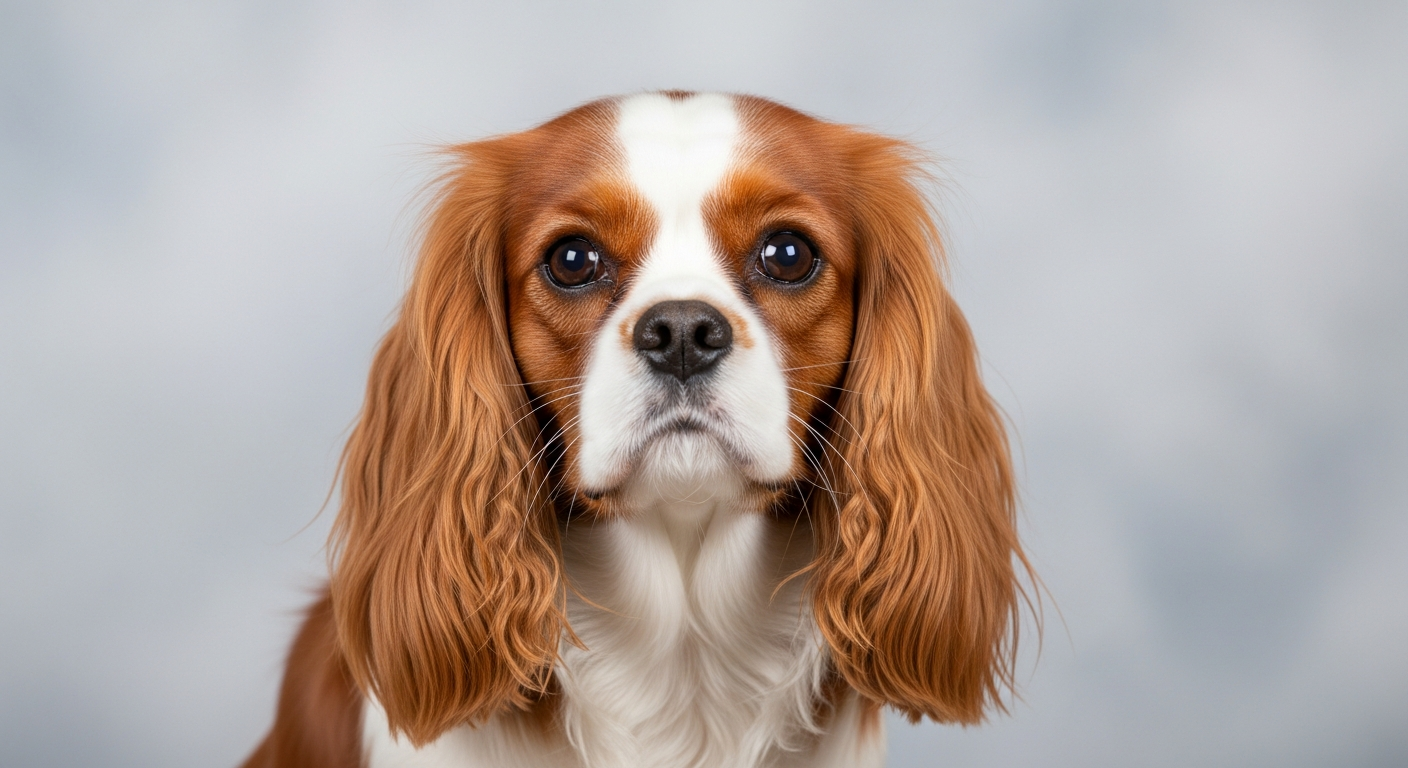
The Cavalier King Charles Spaniel descends from small toy spaniels long beloved as companion dogs in the royal courts of England, where they were prized as gentle, affectionate lap companions and the constant company of their owners. Though spaniel in name and ancestry, the Cavalier was bred far more for devotion and sweetness than for any hunting role.
That companion heritage gives the Cavalier its defining temperament: a gentle, sociable, eager-to-please little dog that wants nothing more than to be with its people. This affectionate biddability makes the breed a delight to train with positive reinforcement — they respond beautifully to treats, praise, and play, and they are far too soft-natured to thrive under any pressure or harshness, which only worries them. A whisper of spaniel still shows in a fondness for sniffing and the occasional interest in birds, so a long line supports a reliable, force-free recall. Above all, reward closeness and cooperation; for a breed built to love company, your attention itself is a powerful reward.
Quick answers
Short, focused guides for the questions owners actually search for.
- Best Harness for a Cavalier King Charles Spaniel: A Force-Free Buyer's Guide
- Best Calming Bed and Enrichment Toys for an Anxious Cavalier King Charles Spaniel
- How to Train a Cavalier King Charles Spaniel to Be Left Alone (Gentle, Step-by-Step)
- How to Stop a Cavalier King Charles Spaniel Barking When Left Alone (LIMA Guide)
- Dog Heat Safety by Breed: What Actually Changes the Risk
Pro Principles
Congratulations on your Cavalier King Charles Spaniel. You are raising one of the most affectionate, soft-natured, people-focused dogs there is — a companion bred above all to bond closely with people. That gentle, biddable temperament makes the Cavalier exceptionally easy to train with kindness, and it is exactly why harsh methods backfire so badly. This guide uses only reward-based, LIMA (Least Intrusive, Minimally Aversive) methods: no choke, prong, slip, shock, or bark collars, no alpha rolls, no scolding, and no 'dominance' framing. A sensitive Cavalier shuts down or grows anxious under pressure rather than learning from it.
Two health truths shape everything that follows. This breed is over-represented for two serious, often painful conditions: mitral valve disease (MVD), a progressive heart condition, and syringomyelia / Chiari-like malformation (SM), a neurological condition. Both sit ABOVE all training. Many things that look like 'training problems' — sudden grumpiness, touch-sensitivity, reluctance, a dog that 'won't settle' — are actually medical. Rule out pain and disease with your veterinarian before you treat any new behavior as a training issue. A trainer is not a veterinarian.
0/9
Cavaliers are expressive and easier to read than many breeds — they have a mobile face, a tail that wags freely, and a long-feathered body whose posture you can see. Use that to your advantage. Your job is to notice the EARLY, quiet signals and lower the pressure before the dog ever needs to escalate. With a soft breed, catching the small signals is everything.
Early / appeasement signals (lower the pressure now): lip-licking or a quick tongue flick with no food, yawning when not tired, looking or turning away, suddenly sniffing the ground, a raised paw, a shake-off. Clearer distance-increasing signals: ears back, body lowering or leaning away, tail tucked, a freeze, and — the single most reliable alarm — refusing food the dog normally takes eagerly. Loud signals: growl, snarl, snap. Every one of these is communication, never disobedience.
0/5
Before You Start
Phase 0 is the set of non-negotiable gates that sit above all training: a veterinary partnership and baseline exam, an understanding of the vaccine series and safe socialization timing, your heat-safety plan, correctly fitted harness gear, and — for this breed specifically — a working knowledge of the two conditions that will shape your dog's whole life. Do not skip this phase. It is what keeps you from accidentally training through a medical problem.
Establish veterinary care and a breed-aware baseline›
Step by step
- Book a new-puppy / new-dog exam before any group socialization. Confirm the dog is healthy, has had at least its first core vaccine set plus a first deworming, and shows no signs of illness.
- Ask your vet to listen carefully for a heart murmur and to set a plan for cardiac monitoring over time — mitral valve disease is the leading breed health concern and can appear relatively young. Discuss what a baseline looks like and when to recheck.
- Discuss syringomyelia / Chiari-like malformation: ask what early signs to watch for and what to do if you see them, so you are not learning this for the first time during an episode.
- Learn to count and log your dog's resting/sleeping breathing rate (normal is generally under about 30 breaths per minute at rest). A sustained rise above your dog's own baseline is an important early cardiac warning you can catch at home.
- Learn a 9-point Body Condition Score and aim for 4-5/9 (ribs easily felt without pressing, a visible waist from above, a belly tuck from the side). Lean condition protects the heart, the joints, and the spine.
- Program your nearest 24-hour emergency vet and the ASPCA Animal Poison Control number (888-426-4435) into your phone today.
- Choose a Fear Free / low-stress-handling practice if you can — this breed visits the vet often for cardiac and neurological monitoring, and a calm, unafraid patient is a lifelong gift.
This is a paragraph you will reread: a trainer is not a vet. Refer out for any sudden behavior change, new reactivity or irritability, reluctance to move, or worsening breathing — and have a veterinary pain/medical work-up done first.
The goal is to socialize hard during the critical window while managing real infectious-disease risk — neither waiting too long nor exposing the puppy unsafely. For a gentle, people-bonded breed, good early socialization is also the best insurance against the fearfulness and over-attachment that can feed later anxiety.
Socialize safely during the window›
Step by step
- Understand the core puppy vaccine series is a SERIES, not one shot: boosters roughly every 2-4 weeks from about 6-8 weeks until at least 16 weeks (commonly around 8, 12, and 16 weeks). A single early shot does not confer full protection.
- You may begin socialization after the first vaccine set plus first deworming plus about 7 days, provided the puppy is healthy — but keep up the full booster schedule and do not assume full immunity until the series completes at 16+ weeks.
- Until the series completes, socialize on clean, controlled surfaces and only with known healthy, vaccinated dogs. Avoid dog parks, pet-store floors, and rest stops where unknown-dog traffic or feces may carry disease.
- Carry the pup or use a clean mat in higher-risk public areas so paws and belly stay off contaminated ground.
- Front-load your most important, positive exposures into weeks 8-12, when receptivity is highest, using these controlled-surface precautions.
- Choose a force-free, vaccine-screened puppy class — the ideal blend of safe socialization and gentle confidence-building.
For a Cavalier, harness-only leash work is not just good practice — it is a health priority. Given possible cervical/neck sensitivity in a breed prone to syringomyelia, keep all leash force off the throat and neck entirely.
Fit a Y-front harness correctly›
Step by step
- Choose a Y-front (Y-shaped chest) harness. Never attach a leash to a neck collar, choke, slip, prong, or head halter on this breed.
- Measure while the dog stands: chest girth at the widest point just behind the front legs, and the base-of-neck girth where the neck meets the shoulders.
- Fit so the front strap forms a clear 'Y' over the breastbone — never a horizontal bar across the throat — and the belly strap sits a couple of finger-widths behind the armpits, never in them.
- Apply the two-finger rule: two flat fingers slide snugly under every strap. Confirm no gaping, twisting, sliding, or armpit rub, and full shoulder freedom when the dog walks and shakes off.
- Use a fixed 4-6 ft leash for walks (no retractable) and a 15-30 ft long line clipped to the harness for recall work.
- Watch the long ear feathering and chest/leg furnishings for chafing under straps, and re-measure during growth spurts and any weight change.
A Cavalier is NOT brachycephalic, so it cools far better than a flat-faced breed — but it is still a small companion dog with a longer feathered coat and a real possibility of cardiac or respiratory disease, and any of those can tip the balance in heat. Build a simple go/no-go habit and default to caution.
Run a 30-second check before every outing›
Step by step
- Check temperature AND humidity together; humidity makes evaporative cooling fail. On hot or humid days, shift activity to the cool parts of the day — early morning or well after sundown — and use indoor enrichment midday.
- Do the 7-second pavement test: press the back of your hand flat on the sunlit walking surface. If you cannot hold it comfortably for 7 seconds, it is too hot for paws and for a low dog's belly. Treat this as a minimum bar, not a clearance.
- Provide shade, fresh water, and a route with bail-out points; offer water before and after.
- Listen to resting breathing before activity. If the dog is coughing, tiring easily, or breathing harder than its baseline, cancel and rest — this could be cardiac, not just heat.
- Set a hard time cap and end EARLY at the first sign of fatigue, heavier breathing, or seeking cool surfaces. Skipping a walk costs nothing.
- NEVER leave the dog in a parked car, even briefly, even with windows cracked.
New Puppy (8–12 wks)
These first weeks fall in the most receptive part of the socialization window. Priorities: gentle positive exposures, protected sleep, soft-mouth foundations, the marker and name, cooperative-care handling, and the very first seeds of calm independence. Keep everything tiny, positive, calm, and puppy-chosen — a soft Cavalier blossoms under gentle clarity.
Charge the marker ('Yes' or a clicker)›
Step by step
- Choose ONE marker for the whole household: a clicker (precise) OR a crisp 'Yes' (always available).
- Load a pouch with 15-20 pea-sized, soft treats counted against the daily ration. Sit with a calm pup in a quiet room.
- Mark FIRST, then feed: click or say 'Yes', pause about half a second, then deliver one treat. The order matters — the marker must precede the food.
- Repeat 15-30 reps. The pup needn't do anything yet; you are only building marker = food.
- Test it: when the pup looks away, mark once. If the head snaps back toward you, it is charged.
- Keep it sacred — every single mark is always followed by a reward, even a mistaken one.
Name recognition — the Name Game›
Step by step
- Pairing: say the name once, happily, then mark and feed regardless of what the pup is doing. Repeat 8-10 times.
- Orienting: say the name once and WAIT. The instant the pup looks at you, mark and feed generously. No response in about 2 seconds? Don't repeat — make a kissy noise, mark the look, and make the next rep easier.
- Add mild distance and distractions, then new rooms, always rewarding heavily.
- Protect the cue: say the name only once per rep, and never pair it with anything the pup dislikes.
Enforced-nap & sleep hygiene›
Step by step
- Aim for about 18-20 hours of sleep per day for an 8-12 week pup; treat sleep as a need you actively manage.
- After roughly every 1-2 hours of wake time, guide the pup to a calm, quiet rest space for a nap, even if it briefly protests.
- Read frantic zoomies, escalating mouthing, and ignoring known cues as 'needs a nap,' not 'needs more activity.'
- A frozen stuffed Kong or lick mat helps a wired pup settle (licking and chewing are calming).
- Schedule training right after a nap, when the pup is fresh.
Cavaliers are a low-mouthiness breed, so bite-inhibition work is usually gentle and short — but every puppy needs to learn that human skin is delicate. Pair it with early cooperative-care handling, which sets up a lifetime of low-stress grooming, ear care, eye care, dental care, and the frequent cardiac and neurological exams this breed needs.
Build a soft mouth›
Step by step
- FIRST rule out over-tiredness or over-heating — mouthing spikes when a puppy is tired or hot. Enforce a nap and cool the dog before treating biting as something to 'correct.'
- If a bite hurts, react with a calm, brief withdrawal of attention: become still and boring, or briefly disengage, then redirect to a chew. The hard bite ends the fun.
- If a sharp 'Ouch!' winds the puppy UP (it can act like a squeaky-toy cue), drop the yelp entirely and use calm, silent disengagement instead.
- Prefer a 5-20 second pause by stepping back or using a tether rather than leaving the room — leaving can trigger isolation distress in this separation-prone breed.
- Once hard bites stop, react to progressively softer mouthing so the pup learns human skin is delicate.
- Keep approved chews ready and reward chewing the toy and calm four-on-the-floor behavior. Never use any physical punishment, scruffing, or mouth-grabbing.
Cooperative-care handling foundations›
Step by step
- Pair brief, pleasant touch with treats: stroke shoulders and back, touch then treat, keeping the pup relaxed.
- Add body parts in short sessions — ears and the long ear feathering (lift the flap and look in the canal), eyes (gentle area around them), muzzle and lips (to view teeth), paws and individual toes, and the silky coat for brushing. Touch briefly, mark, treat, and build duration slowly.
- Be especially gentle and observant around the head, neck, and ears: build positive associations, and if the pup ever flinches, pulls away, or yelps at touch there, STOP and have your vet check for neck/neurological pain.
- Teach a consent / start-button behavior: a chin rest in your palm that means 'I'm ready.' If the pup lifts its chin or leaves, you stop immediately — this gives it control and reduces struggling.
- Introduce grooming tools positively: show a brush, a nail clipper or grinder (touch to a nail with no cut), an ear wipe, and an eye wipe; mark and treat each.
- Do one nail 'touch' or tip per day with jackpot rewards, progressing slowly. Always end while the pup is still happy.
Create broad, positive, controlled associations with people, gentle dogs, surfaces, sounds, and environments — always at the puppy's pace. A soft, sensitive breed especially benefits from choice-based exposure: let the puppy approach, and never flood it.
Socialize with quality over quantity›
Step by step
- Confirm safety first (see Phase 0): first vaccine set plus 7 days plus deworming, a healthy pup, controlled clean surfaces, and known vaccinated dogs.
- Pair each new thing with food or play at LOW intensity first: reward noticing it from a distance or at low volume, then decrease distance or raise intensity only while the pup stays relaxed.
- Let the puppy CHOOSE to approach. Reward investigation; never drag, lure into, or force contact with a worried pup.
- Aim for several brief, positive exposures daily rather than one overwhelming outing.
- Practice startle-and-recover: stay calm, give space to investigate, reward the recovery, then resume.
- Do happy vet visits — walk in, treats from staff, weigh, leave — so the clinic predicts good things for a dog that will visit often.
- Keep novel-dog interactions to gentle, appropriately matched, vaccinated dogs so a single scare doesn't crush a soft dog's confidence.
Build reliable outdoor habits through management plus reinforcement — never correction. For this small breed, keep potty intervals short and the rest space genuinely loved.
House-training routine›
Step by step
- Take the pup out on leash to ONE spot on every trigger: on waking from every nap, within about 10-15 minutes after meals, after play or training, after excitement, and on any sniffing or circling. Default to roughly every 90 minutes to 2 hours for an 8-12 week pup.
- Stand still at the spot and add a calm cue ('go potty') as elimination begins.
- The instant they finish, mark and treat within about 2 seconds, OUTSIDE, on the spot — never wait until back indoors.
- If they don't go, return to the pen or crate for 10-15 minutes and try again — no free roam on an empty attempt.
- Supervise 100% when loose (tether the pup to you) or confine when you can't watch.
- Clean every accident with an enzymatic cleaner, pup out of the room. Never punish or rub the nose in it — that teaches hiding.
Positive crate or pen conditioning›
Step by step
- Choose a correctly sized crate (just big enough to stand, turn, and lie) OR a gated, dog-proofed pen. Watch confinement tolerance from day one — a velcro breed can find a closed crate distressing.
- Tie the door open, add soft bedding and a chew, and casually drop treats inside so the pup keeps discovering good things.
- Feed meals inside with the door open; mark the moment the pup steps in and toss a treat to the back. If it leaves, that's fine.
- Only once entry is eager, close the door an inch or two, reopen, reward; build to a full quiet close and immediate reopen, then to seconds and minutes with a stuffed Kong.
- Keep exits low-key so getting out isn't the best part. Never use the crate or pen as punishment.
- CRITICAL: distinguish ordinary settling-fussing (which fades) from genuine distress — relentless or panicked crying, drooling, scrabbling, soiling from stress, or self-injury. If you see distress, STOP, do not wait it out, switch to an open pen or room, and treat it as confinement distress.
This is one of the most important things you will do for a Cavalier. They are deeply bonded, people-focused companions and genuinely prone to separation distress. Teaching a young dog that being alone is safe and ordinary is far easier than treating a panic problem later — so start tiny, frequent, sub-threshold absences from day one and never let the dog rehearse panic.
Build alone-time as a skill›
Step by step
- Feed some meals or give chews in an 'alone zone' (a pen or room) a short distance from you, so being slightly apart predicts good things.
- Practice mat-settling at gradually increasing distance from you while you potter nearby.
- Make departures and arrivals boring — no dramatic goodbyes or excited hellos.
- Do tiny, frequent absences well within the pup's comfort: step out of sight for a few seconds and return BEFORE any distress, then build gradually. Never let the pup rehearse panic.
- Vary your pre-departure cues (keys, shoes) during calm moments so they stop predicting absence.
- Reinforce the pup settling independently while you're home (capture calm) so it doesn't need constant contact.
Foundations (12–16 wks)
With the marker and handling foundations in place, build the core life skills: loving the harness, the basic positions, settle, engagement, leave-it and drop-it, a reward-based recall, the start of loose-leash mechanics, and a daily enrichment habit. Keep finishing your socialization checklist before the window closes. A biddable Cavalier picks these up quickly when sessions stay short, calm, and richly rewarded.
Condition the harness so the dog loves it›
Step by step
- Confirm fit first (Phase 0): Y over the breastbone, straps off the throat and behind the armpits, two-finger rule, shoulders free.
- Lay the harness on the floor and mark/reward any sniff or investigation.
- Hold it up and feed THROUGH the neck opening so the pup pushes its own head in voluntarily.
- Pass it over the head briefly, reward, remove; build the pup offering its head into the opening.
- Fasten the buckles, deliver continuous treats, remove after about 30 seconds, and build duration gradually.
- Feed meals or play favorite games while it's on, building to 5-10 minutes of relaxed indoor wear before ever attaching a leash. Never force it on.
Sit, down, and stand (lure to hand signal to verbal cue)›
Step by step
- SIT: hold a treat at the nose and slowly raise it up and back over the head; as the nose follows up the rear lowers — the instant it touches, mark and reward at chest level. After 3-5 reps switch to an empty-hand palm-up sweep, then add the word 'Sit' last. Never push the rear down.
- DOWN: from a sit or stand, lower a treat straight to the floor between the front paws; mark when the elbows touch, and reward on the floor between the paws. Practice on a soft mat. Fade to an empty-hand point, then add 'Down' last.
- STAND: draw a treat straight forward and slightly up so the dog steps into a stand; mark and feed forward so it doesn't re-sit. This is your grooming and vet-exam position — pair it with cooperative care so coat care and cardiac exams stay calm.
- Generalize each to new rooms and the yard, lowering criteria in each new place, and capture spontaneous offers throughout the day.
For a people-bonded breed, a trained 'off-switch' — genuine relaxation on a mat — is gold. It gives a velcro dog a calm default, supports your independence work, and keeps arousal (and, with it, breathing effort and excitement) low. Pair it with engagement games that make you, not the environment, the most rewarding focal point.
Settle / capturing calm on a mat›
Step by step
- Capture calm: whenever the pup lies down quietly on its own, calmly drop a treat between its paws without exciting it.
- Introduce a mat: reward any interaction (look, step on, lie on), shaping toward lying down.
- Mark RELAXATION, not just position — a hip-roll to one side, head lowering, a slower tail, soft eyes, a sigh. Deliver treats calmly and low; skip the clicker here so you don't re-arouse the dog.
- Build duration by increasing the time between treats; fade food to quiet praise.
- Add a cue ('settle' / 'relax') once relaxation is reliable, then generalize to new rooms and mildly busy contexts.
- Pair the mat with a stuffed chew so it predicts calm.
Engagement, focus, and hand target ('touch')›
Step by step
- Capture offered attention: say nothing; the instant the pup looks at you, mark and treat.
- Teach 'touch': present a flat palm; when the pup's nose bumps it, mark and treat. Move the target around. This is your gentle, low-stress way to move, redirect, and recall a Cavalier.
- Play engagement games: toss-a-treat reorientation (mark the look back to you), find-it scatter games, and short rules-based tug (mouth the toy, not hands).
- Reward voluntary check-ins during walks and socialization so focus generalizes.
- Keep sessions 2-5 minutes and end on a win before fatigue.
The Cavalier's spaniel heritage gives a mild interest in sniffing and chasing scent, so a reliable, happy recall and a solid 'leave it' are genuinely useful safety skills. Teach both through trading up and reward — never by chasing, prying, or scaring a soft dog.
Leave-it and drop-it (trade-up)›
Step by step
- LEAVE IT: present a treat in a closed fist; the instant the pup backs off or looks away, mark and reward from the OTHER hand. Progress to a treat on the floor under your hand, then uncovered, adding the cue 'Leave it' as the pup reliably disengages.
- DROP IT: play with a low-value toy, offer an equal-or-better item, say 'Drop it' as the mouth opens, reward — then OFTEN give the toy back so dropping doesn't end the fun.
- Always trade UP or give the item back so the dog never learns to guard, gulp, or run with things.
- Generalize 'leave it' to real life (food on the sidewalk, dropped pills) at a safe distance first.
- Keep two identical toys handy for frictionless drop-it reps.
Foundation recall games (calm and happy)›
Step by step
- Indoors, charge the recall word: say 'Come!' once, take a few steps backward, mark when the pup commits, and jackpot at your legs.
- Calm ping-pong: two people about 10-15 ft apart take turns calling, marking the commitment and paying at the legs. Keep the pace relaxed.
- Premack recall: call the pup away from something mildly fun, reward, then RELEASE it back to the fun as a bonus.
- Harness-grab game: touch the harness, then feed — so reaching for the dog is never the end of fun.
- Reserve a separate emergency word paired with about 10 rapid treats; use it rarely so it never loses value.
- Protect the cue: NEVER call the pup for anything it dislikes, and never call when you can't reward or gently follow through.
Begin slack-leash walking indoors first, with zero neck pressure, then take it outside in cool conditions. And make daily mental enrichment a genuine habit — for a spaniel-heritage dog, sniffing and foraging are deeply satisfying 'work' that tires the dog calmly without heat or joint load.
Loose-leash walking — indoor mechanics›
Step by step
- Gear: Y-front harness (never a collar) and a fixed 4-6 ft leash; treats on your walking side.
- Indoors, take ONE step, then mark and feed at your side before the dog forges ahead. Repeat many single steps at a high rate of reinforcement.
- Build to 2, then 3 steps per mark, then randomize (1, 5, 2, 4) to keep engagement.
- If the leash tightens, STOP — forward progress is the reward pulling must never earn. Encourage the dog back to your side, then take 2-3 steps before feeding.
- Add a 'go sniff' release as a functional reward — sniffing is powerful, calming, and keeps a Cavalier engaged.
- Master mechanics indoors before taking it outside; keep outdoor walks relaxed, shaded, and dog-led in pace.
Daily mental-enrichment habit (foraging & sniffing)›
Step by step
- Replace some or all of the food bowl with foraging: scatter-feed kibble in grass or a snuffle mat, and stuff food puzzles and slow-feeders.
- Add a short, slow, dog-led 'sniffari' in cool conditions — the goal is sniffing, not distance.
- Run one or two brief indoor 'find it' games (hide treats around a room).
- Offer a lick mat or an appropriate, safe chew daily for calming, down-regulating enrichment.
- Rotate puzzles and games to keep novelty high.
- Always follow enrichment with protected rest so the pup doesn't tip into over-arousal.
Adolescence (4–12+ months)
Somewhere around 5 to 12+ months your gentle, biddable Cavalier will seem to "forget" cues, get distracted on walks, and test what they can get away with. This is normal adolescent brain development, not defiance or spite. Because Cavaliers are so soft and so deeply bonded to you, the worst thing you can do here is get tougher: raised voices, leash pops, or any harsh "correction" will make this sensitive breed shut down, get anxious, or lose trust in you. The plan through adolescence is to maintain, manage, and re-teach with patience — never to punish.
Maintenance Plan: Re-Proofing Through Adolescent Regression›
Step by step
- Expect it. Around 5-12+ months known cues get flaky and recall weakens. Read this as normal development, not disobedience — and never punish a regression.
- When a cue falls apart, DROP CRITERIA instead of escalating pressure: go back to an easier room, lower the difficulty, raise your reward value, and rebuild from a win.
- Keep short maintenance reps on every important cue daily — recall, settle, leave-it, loose-leash — so they don't decay.
- Re-run recall on a long line as if brand new. Do not trust off-leash reliability during adolescence; a chase-and-fail poisons recall.
- Manage the environment heavily (gates, leashes, long lines) so your dog cannot rehearse unwanted behavior while impulse control is offline.
- Keep sessions short (3-5 minutes), calm, and cool, and protect rest — adolescent Cavaliers still fatigue and can overheat.
- If a behavior changes suddenly or dramatically, rule out a medical cause and a second fear period before you ever assume "teenager."
The Cavalier was bred above all to be a close companion, which is exactly why this breed is genuinely prone to separation distress. Adolescence and social maturity (around 12-18 months) are when an under-prepared dog's alone-time problems tend to surface or worsen. The goal is to make being alone — and not being the constant center of attention — ordinary and safe, in tiny, sub-threshold doses, so your dog never gets to rehearse panic.
Graduated Alone-Time, Done Sub-Threshold›
Step by step
- Capture calm: when your dog settles independently a short distance from you while you potter nearby, quietly reinforce it so they don't need constant contact.
- Make departures and arrivals boring — no dramatic goodbyes, no big emotional hellos.
- Do tiny, frequent absences well within comfort: step out of sight for a few seconds and return BEFORE any sign of worry, then gradually build duration.
- Vary your pre-departure cues (keys, shoes, coat) during calm moments so they stop reliably predicting that you are leaving.
- Feed some meals or give a stuffed chew or lick mat in an 'alone zone' a short distance from you, so being slightly apart predicts good things.
- Progress only on the dog's actual calm — if you ever see pacing, panting, whining, drooling, scratching at the exit, or refusal to settle, you have gone too far; back up and shorten the absence.
A Cavalier needs frequent, gentle, lifelong handling: silky-coat and ear-feather brushing, ear-canal checks, eye care, and — because of MVD and SM — many cardiac and neurological exams over their life. Teaching consent-based, force-free cooperative care now makes all of that low-stress for a soft dog who would otherwise learn to dread it. The core idea: the dog opts in with a 'start-button' behavior and can opt out, and you stop the instant they do.
Consent-Based Grooming and Handling Desensitization›
Step by step
- Teach a chin-rest start-button: the dog rests its chin in your palm to mean 'I'm ready.' If it lifts the chin or leaves, you stop immediately — this gives the dog control and reduces struggling.
- Pair brief, pleasant touch with treats, building up body parts in short sessions: ears and ear feathering, the long coat, paws and individual nails, tail and rear, and around (never on) the prominent eyes.
- Condition the actual tools positively: show the brush, ear-wipe, eye-wipe, nail clipper or grinder; touch it to the spot with no procedure; mark and treat; build duration slowly.
- For ear care, show the cleaning solution, touch it to the ear, then progress to a drop and a gentle wipe — one tiny step at a time with treats.
- Do one nail tip per day with jackpot rewards rather than rushing a full set; introduce a grinder's sound and vibration gradually.
- Always end while the dog is relaxed; never finish a grooming task over a struggling dog.
- Generalize calm handling to the vet via happy visits — walk in, treats from staff, a weigh-in, and leave with no procedure.
The Cavalier's spaniel heritage gives a mild interest in chasing and sniffing, so a happy, well-paid recall plus plenty of foraging enrichment suits them well. They are companions first, not high-drive workers, which actually makes recall easier to build — your dog genuinely wants to be near you. Use a long line through adolescence; off-leash reliability is not earned until recall is proven.
Outdoor Recall Generalization (Calm, Harness-Only)›
Step by step
- Clip a 15-30 ft long line to the Y-front HARNESS, never a collar. Keep a 'J' of slack and step on the line to stop a bolt rather than yanking.
- Charge a recall word indoors first: say 'Come!' once, take a few steps back, mark the moment your dog commits, and pay generously at your legs.
- Move outdoors to quiet areas. Practice calm ping-pong recalls (two people ~10-15 ft apart taking turns) and Premack recalls — call away from a mild distraction, reward, then release back to it as a bonus.
- Reward your dog for disengaging from a distraction and reorienting to you — that choice is the foundation of recall.
- Use a progress criterion of 5 perfect, calm, sub-2-second recalls at one level before adding distraction or distance.
- Keep a separate emergency recall word paired with about 10 rapid treats, used rarely so it never loses value.
- Protect the cue: never call your dog for anything unpleasant, and never call when you can't reward or gently enforce it.
- Re-proof frequently through adolescence and assume reliability will wobble.
A stay and genuine self-control are easy wins for a biddable Cavalier when you raise difficulty gently and one variable at a time. The 3 Ds are Duration, Distance, and Distraction — raise only ONE at a time, lower the others when you make one harder, and aim for about 80% success before leveling up.
Teaching a Reliable Stay›
Step by step
- Start in position right in front of your dog; reward staying after 1 second, then 2-3, building DURATION first toward roughly 30-60 seconds.
- Add a clear release word ('Free'/'Okay') and reward staying, not the release.
- Add DISTANCE next: one step back, return, reward — and drop duration back to a few seconds when you first add distance, then rebuild.
- Add DISTRACTION last in tiny increments (shifting your weight, dropping a treat, a soft knock, someone walking by), lowering the other Ds whenever you add a new distraction.
- Return TO your dog to reward most of the time, so 'stay' stays separate from 'come.'
- Mix easy reps in to keep success high and frustration low — Cavaliers do best when they feel like they keep winning.
It's Your Choice (Foundational Impulse Control)›
Step by step
- Hold treats in a closed fist at nose height. Say nothing; let your dog sniff, lick, or paw. The instant it pulls its nose back even slightly, mark and open your hand to feed one treat. If it dives in, simply re-close — be a vending machine, not a referee.
- Progress to treats on a flat open palm; close the hand if the dog moves in, open it when the dog backs off, and deliver the reward from your OTHER hand.
- Then drop a treat on the floor: cover it with your foot if the dog dives, uncover when it backs off, and mark the choice to leave it.
- Add a release cue ('get it') so the dog learns the difference between 'wait' (default) and 'released.'
- Stay completely silent during the choice phase — naming it turns the dog's own self-control into imposed control.
- Match treat value to arousal: for an excitable dog use lower-value food so it can succeed, and keep delivery calm.
Adult & Advanced (12+ months)
With a mature, well-socialized Cavalier you can generalize behaviors into genuinely distracting public settings and pursue low-impact enrichment and optional titles — all within the breed's heat and cardiac limits. Dogs do not generalize automatically; treat each new place as a fresh distraction and lower your criteria when you get there.
Generalizing Behaviors to Distracting Contexts›
Step by step
- Proof recall and stays around other moving dogs and people, starting at a distance where your dog stays under threshold and still happily takes food.
- Practice settle/stationing in real settings — a quiet cafe patio in cool weather, a vet lobby, a friend's home — treating each as a new distraction.
- Add engage-disengage around neutral dogs: mark the calm look at a dog, reward the turn back to you, building a 'check in with my person' habit.
- Vary your own position and orientation (sit, stand, turn your back); dogs don't generalize these either.
- Use functional rewards — a 'go sniff' release, permission to greet — as real-world reinforcers alongside food.
- Keep every outing within heat limits: short, cool, calm, with shade and water, and bail out at the first sign of struggle.
- Re-proof periodically; reliability decays without maintenance.
Scentwork channels the Cavalier's gentle spaniel nose into the best confidence-building, mentally-tiring activity there is — and it is low-impact, which matters for a small dog who may carry cardiac disease. Sniffing is calming and tiring, and because the dog 'can't be wrong,' nosework is ideal for a soft, sensitive breed.
Introducing Scentwork at Home›
Step by step
- Priming: with the dog watching, drop favorite treats into one open box; release the dog to find and self-reward. Keep it easy and let the dog WIN.
- Build search drive by briefly restraining the dog so it strains a little toward the baited box, then releasing — light frustration builds enthusiasm.
- Add more boxes with only one or two baited; always reward AT the source so the find pays off at the exact spot.
- Expand from a box lineup to a whole room, then objects and outdoor areas, varying hide height and difficulty gradually.
- Resist 'helping' or pointing — independent problem-solving is what builds the confidence.
- Keep sessions short and cool, and follow them with protected rest.
Because the Cavalier is a deeply bonded 'velcro' companion, separation distress is one of the most common serious problems in the breed. The evidence-based treatment is graduated, sub-threshold absences — never 'crying it out,' which deepens panic in a genuinely distressed dog.
Graduated-Departure Protocol›
Step by step
- MEDICAL FIRST: have your vet rule out pain or illness — including MVD and SM — before treating clinginess or distress as purely behavioral.
- Suspend real over-threshold absences during treatment (use sitters, family, daycare, or take the dog along) — every genuine panic episode undoes progress.
- If confinement is the trigger, do NOT closed-crate a distressed dog; use an open pen or dog-proofed room and make absence-tolerance itself the goal.
- Baseline with a camera: find the exact duration your dog stays relaxed — no pacing, panting, whining, scratching, or drooling.
- Run graduated departures sub-threshold: pick up keys and sit back down; walk to the door and return; step out for 1-3 seconds and return — always returning BEFORE any stress sign. Vary pre-departure cues so they lose their alarming meaning.
- Progress in small, often non-linear increments based on the camera, mixing easy reps with harder ones and backing off at any stress.
- Keep arrivals and departures low-key and never punish anxious behavior; enrichment supports the work but does not replace the desensitization.
- Escalate moderate or severe cases to a CSAT or board-certified veterinary behaviorist (DACVB), who can add anti-anxiety medication to lower the panic baseline so the dog can actually learn.
Guarding is fear- and loss-driven, not a status grab. Even a normally soft Cavalier can guard food, chews, toys, a resting spot, your lap, or stolen contraband. The goal is to change the underlying emotion so that a person approaching valued things predicts good things — eliminating the need to guard at all. Positive only; never punish a guarding warning.
Counterconditioning Guarding Behavior›
Step by step
- SAFETY AND MEDICAL FIRST: rule out pain, manage access to prevent rehearsal, never start during or right after an incident, and respect any growl as information — back off and never punish the warning, which only raises bite risk.
- Start with a LOW-value item in a calm setting.
- Bowl exercise: while the dog eats a low-value meal, approach to a distance where it stays relaxed, toss a higher-value treat toward the bowl, and walk away. Decrease distance only as the dog stays loose and happy to see you coming.
- Object trade: present a higher-value treat; as the dog drops the item, mark and feed, then OFTEN return the item so giving up isn't a loss. Add a 'Drop'/'Give' cue once it's automatic.
- Raise difficulty gradually up the value hierarchy and across people and locations, only after lower-value items are reliably non-confrontational.
- For households with children or other dogs, actively supervise, teach children never to approach a dog with food, toys, or in its bed, set no-go zones, and feed dogs separately.
Reactivity on leash is usually fear or over-arousal — and in a Cavalier it can also be pain-driven. The approach is to keep your dog under threshold and teach that the sight of a trigger predicts food and a calm turn back to you. Never correct the reaction; change the emotion underneath it.
Reducing On-Leash Reactions›
Step by step
- MEDICAL/PAIN FIRST: rule out pain (including MVD discomfort or SM-related neck/neuro pain) that can drive irritability and reactivity.
- Equipment: a Y-front harness only — never neck or aversive tools, which are especially unsafe given possible cervical sensitivity in this breed.
- Manage and prevent: plan low-traffic routes, scan ahead, create space (cross the street, change direction), and use visual barriers to break line of sight.
- Find threshold distance — how far from a trigger your dog can notice it but still eat and stay loose.
- Open-bar/closed-bar counterconditioning: the instant your dog sees the trigger, feed high-value treats continuously; when the trigger leaves, the food stops. Trigger appears = food rains; trigger gone = food stops.
- Engage-disengage: mark the calm look at the trigger, then feed as the dog turns back, building a look-then-check-in pattern.
- Progress (decrease distance or increase intensity) only when the dog stays loose, eating, and offering check-ins. If it won't eat, fixates, or lunges, you're over threshold — calmly create distance and reset.
- Never tighten or jerk the leash and never punish the bark or growl.
0/5
Body Language
The Cavalier King Charles Spaniel is one of the easier dogs to read because almost nothing about it is exaggerated: a normal-length muzzle that shows full facial expression, soft round eyes, mobile ears framed by feathering, and a long tail that wags freely. Unlike a flat-faced breed, the Cavalier's signals arrive clearly, so your job is mostly to respect them rather than decode them. Read your dog as a whole-body cluster of signals, always in context, and always against this individual dog's own baseline — never one twitch in isolation.
Two rules sit above everything. First: a growl is information, not defiance — never punish it, because punishing a warning just deletes the warning and creates a dog that bites with no notice. Second: medical-rule-out first — any sudden change in behavior gets a veterinary exam before you call it a training problem. In this breed that reflex is especially important, because two common conditions (mitral valve disease and syringomyelia) often surface first as a behavior change.
GREEN — relaxed, safe to engage: soft eyes with a smooth brow and normal blink; loose open mouth and soft jaw; ears carried in this dog's neutral set; loose, curved, wiggly body; a long, loose, sweeping tail wag low or level. This is your baseline — learn it well so you can spot any change.
YELLOW — early stress, lower the pressure: a quick lip-lick or tongue flick with no food, a yawn when not tired, head turn or whole-body turn away, sudden out-of-context sniffing, a raised front paw, ears pulled back, blinking, a shake-off. Pause, soften, lean back, add distance, remove or reduce the trigger. Never punish.
YELLOW turning RED — over threshold, stop and make space: stiffening or freezing, weight forward, a hard fixed stare, a tight or suddenly closed mouth, refusing food it normally loves, a low tucked tail, crouching or leaning away. Stop immediately, create distance, give the dog an exit.
RED — warning, back off now: growl, snarl/lip-lift, muzzle-punch, tooth-snap, air snap, or freezing over a resource. Stop instantly, end the interaction, ensure safety, never punish — then rule out pain with your vet and consult a credentialed force-free professional.
A large share of dogs referred for behavior problems turn out to be in pain. Any new or escalating behavior change — sudden irritability, snapping, hiding, restlessness, reluctance to be touched or to move, new clinginess, or loss of housetraining — earns a veterinary exam before you treat it as training. In the Cavalier, two conditions make this reflex non-negotiable because they frequently announce themselves as behavior or sensation, not as obvious illness.
Track your dog's resting respiratory rate (the best home cardiac tool)›
Step by step
- Wait until your Cavalier is fully asleep or resting calmly in a cool room.
- Count the breaths (one rise-and-fall of the chest = one breath) for 30 seconds and double it, or count a full 60 seconds.
- A normal sleeping or resting rate is generally under about 30 breaths per minute.
- Log it a few times a week so you know this individual dog's baseline number and effort.
- Treat any sustained rise over that baseline, labored or belly-pushing effort, or open-mouth breathing at rest as a reason to call your vet — this is one of the earliest signs of heart trouble.
Other pain signals to take seriously: uncharacteristic irritability or snapping when touched, lifted, or approached while resting (defensive protection of a hurting body part — never punish it); excessive panting at rest unrelated to heat; trembling unrelated to cold; an arched or hunched topline; reluctance to jump or do stairs; appetite change or dropping food; head-shaking or ear odor (the breed's pendulous ears trap moisture and are prone to infection); and any new withdrawal from this normally affectionate, social dog. Document the change and arrange an exam.
Healthy play is loose, bouncy, and inefficient, with play bows, self-handicapping, role reversal, and natural micro-pauses where both dogs voluntarily re-engage. Over-arousal looks like relentless intensity with no pauses, a stiff body, fixed staring, and frantic pacing. Cavaliers are generally soft, low-arousal playmates, but a small dog can still be overwhelmed — build in rest breaks before you see distress, and use the 3-second consent test when unsure: briefly hold both dogs, release the pursued one, and watch whether it chooses to return.
For dog-to-dog greetings, approach in curves rather than head-on, keep it to a brief 3-second hello, then move apart and watch both dogs. Because the Cavalier is friendly and forward, advocate for it: a confident dog reading your soft Cavalier may push too hard, so step in early at the first stiffening or one-sided pursuit.
Health & Husbandry
The Cavalier carries a moderate, silky coat with feathering on the ears, chest, legs, feet, and tail. Left alone it mats — especially behind the ears, in the "armpits," and on the trousers — and matting pulls painfully and traps moisture. The goal is a dog that enjoys being handled for life, built entirely through positive, force-free cooperative care: tiny sessions, generous reinforcement, and the dog always free to opt out. A Cavalier handled gently learns to lean into grooming; one rushed or restrained learns to dread it.
Build a no-stress brushing routine (force-free, over 1-3+ weeks)›
Step by step
- Days 1-3: let the dog sniff and lick a treat off the soft brush so the tool predicts good things. No brushing yet.
- Days 4-6: with the dog relaxed, lay the brush flat against the shoulder for one or two strokes, feed, and release. Keep it under 30 seconds.
- Days 7-9: brush a small, easy area (back, shoulder) in the direction of hair growth, rewarding calm, then stop before the dog wants to leave.
- Gradually add the harder areas — behind the ears, chest feathering, trousers, tail — a little at a time, always ending on a good note.
- Work mats out gently with fingers and a detangler; never rip through them. Severe mats are a job for a groomer or a vet under sedation, not a struggle at home.
- Use a consistent cue and position, keep sessions short and calm, and stop at the first lip-lick, head-turn, or attempt to leave.
0/6
More than coat or diet, the Cavalier's care plan is defined by two conditions: mitral valve disease (MVD) and syringomyelia (SM). Routine wellness exams matter, but partnering with your vet on early cardiac and neurological monitoring matters more. This is educational content, not veterinary advice — your veterinarian (and, where indicated, a board-certified cardiologist or neurologist) sets the actual schedule and treatment.
0/6
The Cavalier is a small, food-loving, relatively low-energy companion, which makes it easy to overfeed. Keeping the dog lean — ribs easily felt with a slight fat cover, a visible waist from above, and an abdominal tuck from the side (Body Condition Score 4-5 on a 9-point scale) — is one of the highest-impact things you can do, because excess weight worsens heart strain, joint load, and heat tolerance all at once.
0/6
Small and toy breeds crowd a lot of teeth into a small jaw, so plaque, tartar, and periodontal disease tend to start young and advance quickly. The gold standard is daily (or at least 3-4x weekly) brushing with a dog-specific enzymatic toothpaste — built through the same gradual, force-free cooperative-care steps you use for grooming.
Teach tooth-brushing without force›
Step by step
- Days 1-3: let the dog lick the flavored dog toothpaste off your finger — pure positive association.
- Days 4-6: briefly lift a lip and touch a few teeth and gums with a pasted finger, reward, and release.
- Days 7-9: introduce a soft finger brush or small dog toothbrush on a few outer teeth for a couple of seconds, reward.
- Gradually extend coverage, focusing on the outer (cheek-facing) surfaces at the gumline, always ending before discomfort.
Follow your veterinarian's schedule; the framework below reflects current AAHA/CAPC guidance, but your vet tailors it to your dog and region. The core puppy series matters because of the "window of susceptibility": maternal antibodies fade at an individually variable age, so puppies need repeated doses so a vaccine is always close behind when protection drops.
0/6
Troubleshooting
Likely cause: Pain — and in this breed, frequently a neurological cause. Cavaliers are strongly over-represented for syringomyelia (SM) and Chiari-like malformation, which produce neck/head/ear sensitivity, yelping (often at night or when picked up or touched on the head or neck), and reluctance to be handled. New irritability is also a classic pain signal generally.
Likely cause: Classic 'air-scratching' (a scratching motion toward the neck or shoulder that doesn't make skin contact, often on one side and worse when the dog is excited or wearing a collar) is a hallmark sign of syringomyelia in this breed — not a training quirk or a simple itch.
Likely cause: A cardiac red flag. Mitral valve disease (MVD) is the leading health concern in the breed and can appear relatively young. Coughing, exercise intolerance, an increased resting or sleeping breathing rate or effort, fainting or collapse, or sudden lethargy can all be signs.
Likely cause: Separation or confinement distress — common in this deeply people-bonded breed, and distinct from ordinary settling-fussing.
Likely cause: Normal adolescent regression (roughly 5-12+ months), when known cues get flaky — or, if it appeared suddenly, an underlying medical/pain issue. It is not spite or defiance.
Likely cause: Pulling has been rewarded — even occasionally — by forward progress.
Likely cause: Resource guarding, which can involve objects, food, people, and locations. It is fear/loss-driven, not dominance.
Likely cause: Leash reactivity, usually rooted in fear or over-arousal — and sometimes pain-driven.
Likely cause: Although the Cavalier is NOT brachycephalic, a small companion dog with a longer feathered coat — and possibly underlying cardiac (MVD) or respiratory disease — can still overheat, and heat stress compounds cardiac strain.
Likely cause: The lure was never faded, so visible food became a bribe rather than a cue.
Health & Heat Safety
The Cavalier is not a brachycephalic breed, so it cools far more efficiently than a flat-faced dog. But it is still a small companion with a longer, feathered coat, and — critically — a breed prone to heart and respiratory disease, which reduces the reserve a dog needs to handle heat. Treat heat with respect: exercise in the cool parts of the day, provide shade and water, and back off at the first sign of distress.
0/6
Because mitral valve disease is the leading concern in this breed, the most important emergencies to recognize are cardiac. Advancing heart disease can tip into congestive heart failure, where fluid backs up into the lungs and the dog struggles to breathe. Knowing your dog's normal resting breathing rate is your single best early-warning tool.
Gear
Paid affiliate links. The product links below are Amazon affiliate links — if you buy through them we may earn a commission, at no extra cost to you. As an Amazon Associate we earn from qualifying purchases. We only suggest gear that fits this breed's documented needs.
Well-fitted Y-front harness (small/toy sizing)
Safety & Walking
The Cavalier is a gentle toy companion who walks best on a Y-front harness that keeps all leash pressure off the throat and the long, silky neck feathering. A flat collar is for ID only; any pulling or steering should load the chest, never the windpipe. Look for genuinely small/X-small sizing with multiple adjustment points so the harness sits snug on a ~13-18 lb dog without gaping or rubbing the soft coat.
Balance Harness (Buckle-Neck) — Blue-9
Six independent adjustment points let you dial in a precise fit on a small, lightly built Cavalier so the straps clear the front-leg feathering and don't slip. The true Y-front shape with a front clip keeps any pulling pressure off the throat, which matters for a sensitive companion dog that should never feel choked on lead.
Order the XS/Small range and re-check the fit as a puppy grows.
Balance Harness (Buckle-Neck) — Blue-9Browse options on AmazonFreedom No-Pull Harness (front and back clip) — 2 Hounds Design
A trainer-favorite Y-style harness whose velvet-lined chest strap is gentle against a Cavalier's fine coat and won't chafe the armpits. The front martingale clip redirects gentle pulling across the chest rather than the neck, supporting calm, low-arousal loose-leash walking.
Freedom No-Pull Harness (front and back clip) — 2 Hounds DesignView this productNo-Pull Dog Harness (Classic, 2 leash clips) — rabbitgoo
An affordable, widely sold front-clip harness with four adjustment points and a padded Y-front chest plate that distributes pressure off the neck. In its smallest sizing it makes a practical everyday option for a toy-sized Cavalier, with reflective trim for low-light walks.
No-Pull Dog Harness (Classic, 2 leash clips) — rabbitgooView this productFlat collar with ID tags (ID-only)
Safety & Walking
A flat collar on a Cavalier is for identification only — never the attachment point for leash force. Choose something light and soft that rests under the silky neck feathering without matting it, and pair it with the harness for any walking.
Personalized Embroidered Dog Collar (name + phone) — GoTags
The name and phone number are stitched into lightweight nylon webbing, giving permanent ID with no jingling tags to tangle in a Cavalier's long ear and neck feathering. The X-Small/Small adjustable sizing fits a slim toy-breed neck without bulk.
Personalized Embroidered Dog Collar (name + phone) — GoTagsView this productSoft & Safe 3M Reflective Neoprene Padded Collar — Blueberry Pet
Neoprene padding makes this one of the softest, least chafe-prone flat collars for a sensitive small neck and fine coat. In its Small size it stays light for ID-tag-only use, with reflective stitching for visibility.
Soft & Safe 3M Reflective Neoprene Padded Collar — Blueberry PetView this productEssentials Classic Nylon Dog Collar — Blueberry Pet
A thin, lightweight classic nylon collar in small-dog sizing, ideal for simply holding ID tags without adding weight under a Cavalier's neck feathering.
Essentials Classic Nylon Dog Collar — Blueberry PetBrowse options on AmazonFixed 4-6 ft leash
Safety & Walking
A fixed 4-6 ft leash (no retractable) gives the steady, predictable contact that keeps a small companion dog close and calm. Light webbing with a soft handle is plenty for a Cavalier's gentle pulling, and clips to the harness so tension never reaches the neck.
5 FT Dog Leash with Padded Handle (small/medium) — BAAPET
A soft padded handle and lightweight 1/3-inch rope give a comfortable, secure grip for a small dog's easy pace, with a smooth swivel clip to attach to the harness. Reflective stitching adds visibility on early-morning or evening walks.
5 FT Dog Leash with Padded Handle (small/medium) — BAAPETView this productSmall Dog Reflective Nylon Leash (6 ft x 5/8") — Max and Neo
The lightweight 5/8-inch webbing is sized for small dogs, while the neoprene-padded handle and full-length reflective stitching keep a Cavalier easy to see and easy to manage on relaxed neighborhood walks.
Small Dog Reflective Nylon Leash, 6 ft x 5/8" — Max and NeoView this productVoyager Reflective Leash with Neoprene Handle, 5 FT — Best Pet Supplies (Voyager)
A light 5-foot nylon leash with a cushioned neoprene handle and a clip-on poop-bag dispenser, easy to pair with a Y-front harness so all leash tension stays off a small dog's throat.
Voyager Reflective Leash with Neoprene Handle, 5 FT — Best Pet Supplies (Voyager)View this product15-30 ft long line
Safety & Walking
For recall practice and safe sniffing freedom in open space, a 15-30 ft biothane long line clips to the harness and keeps a Cavalier under control without retracting tension. Choose a narrow, lightweight width so the line never drags on a small dog, and keep a loose "J" of slack.
Biothane Working Tracking Long Line (3/8"-1/2" x 15-20 ft) — Viper (Dogline)
Waterproof biothane wipes clean and won't soak up water or dirt, and a solid snap clips to the harness. Choose the narrow 3/8-inch width so the line stays light for a ~13-18 lb Cavalier during recall work in grass or on trails.
Biothane Working Tracking Long Line (3/8"-1/2" x 15-20 ft) — Viper (Dogline)View this productWaterproof Recall Training Long Line (1/2" x 15-30 ft) — NIMBLE
A popular PVC-coated long line that rinses clean and dries fast, light enough for a small dog and easy to clip to a harness for safe long-distance recall games. Start at the shorter length while a Cavalier is learning to check in.
Waterproof Recall Training Long Line (1/2" x 15-30 ft) — NIMBLEBrowse options on AmazonBioThane Long Line / Check Cord (3/8" x 15 ft) — Mendota Pets
Soft yet durable biothane that resists snagging in weeds and wipes clean; the narrow 3/8-inch width is well matched to a toy-sized Cavalier and snaps onto a Y-front harness with no neck involvement.
BioThane Long Line / Check Cord (3/8" x 15 ft) — Mendota PetsView this productBasket muzzle (cooperative-care / vet-handling)
Safety & Walking
Even the gentlest Cavalier benefits from being calmly muzzle-trained as a cooperative-care skill — for stress-free vet exams, nail work, or first aid if the dog is ever in pain. A muzzle is management and handling comfort, never a punishment. Choose a lightweight basket style sized for a small dog that leaves room to pant, drink, and take treats, and introduce it slowly with rewards.
Baskerville Ultra Muzzle (Size 1) — Baskerville (Company of Animals)
The most widely vet-recommended basket muzzle; the soft, ventilated basket lets a Cavalier pant, drink, and take treats through the front, which is exactly what makes positive muzzle conditioning possible. Size 1 suits a small head and short muzzle.
Use it only for handling and management, paired with high-value rewards.
Baskerville Ultra Muzzle (Size 1) — Baskerville (Company of Animals)View this productComfort Dog Basket Muzzle (small / breathable) — Barkless
A lightweight, breathable basket muzzle in small sizing that leaves full clearance for panting and treat delivery, so it doubles as a cooperative-care training tool rather than a restraint. Measure snout length and circumference before ordering.
Comfort Dog Basket Muzzle (small / breathable) — BarklessView this productBirdwell Bumper Basket Muzzle (small) — The Company of Animals
A padded, treat-friendly basket muzzle designed to make muzzle training rewarding; the open front lets you reward a Cavalier continuously for relaxed wear. Frame every session as a fun handling game, never a correction.
Birdwell Bumper Basket Muzzle (small) — The Company of AnimalsView this productCanine life vest
Safety & Walking
If your Cavalier is around pools, lakes, or boats, a properly fitted life vest with a grab handle adds a real margin of safety for a small dog that tires quickly in water. Look for small sizing, a top lift handle, and adjustable belly straps, and always supervise closely with the vest on.
Float Coat Dog Life Jacket (XS/Small) — Ruffwear
A premium PFD with strong, evenly distributed foam buoyancy and a sturdy lift handle to pull a small dog out fast. The wrap-around fit secures a Cavalier's chest without pressing the throat, so it stays comfortable for a low-arousal swim or boat outing.
Float Coat Dog Life Jacket (XS/Small) — RuffwearView this productGranby Splash High-Buoyancy Life Jacket (Small) — Outward Hound
A front flotation pad helps keep the head above water, with a top grab handle and adjustable belly straps for a small chest. An affordable, widely recommended option for an occasional swimmer.
Granby Splash High-Buoyancy Life Jacket (Small) — Outward HoundView this productDog Life Jacket with Rescue Handle (Small) — Vivaglory
Ripstop fabric, high-visibility color, and a sturdy rescue handle in true small sizing make this a practical vest for a Cavalier near water. Adjustable straps let you fit it snugly over a slim toy-breed build.
Dog Life Jacket with Rescue Handle (Small) — VivagloryView this productClicker or chosen verbal marker
Training Essentials
Cavaliers are soft, biddable, people-pleasing learners who thrive on clear positive markers. A clicker (or a consistent verbal marker like "yes") tells the dog the exact instant it earned a reward, which speeds up every LIMA training game and keeps sessions short and upbeat.
Pro-Training Clicker (Deluxe) — StarMark
An ergonomic, easy-press clicker with a crisp, consistent click that a Cavalier hears clearly indoors or in the yard. The large button is forgiving when you're marking quickly during a brief session.
Pro-Training Clicker (Deluxe) — StarMarkView this productClik-R Training Tool — PetSafe
A compact clicker with an elastic finger band so you can mark and treat without fumbling — handy during the close-up, low-arousal sessions a gentle companion dog learns best in.
Clik-R Training Tool — PetSafeView this productDog Training Clicker with Wrist Strap (4-Pack) — EcoCity
A best-value multipack with a big easy-press button and wrist straps, so you always have a clicker stashed where you train your Cavalier.
Training Clicker with Wrist Strap (4-Pack) — EcoCityView this productTreat pouch + tiny soft high-value treats
Training Essentials
High-rep reinforcement needs pea-sized, soft treats and a pouch you can open one-handed. Cavaliers are prone to weight gain, so keep training treats tiny and count them against the daily ration — small soft morsels mean lots of reps without overfeeding a little dog.
Treat Pouch Sport (spring-hinge) — PetSafe
A spring-hinged opening snaps open for instant one-handed access and shut to prevent spills, with a belt clip and waist string. The most widely recommended hands-free pouch for quick marker-and-treat timing.
Treat Pouch Sport (spring-hinge, belt clip) — PetSafeView this productMini Naturals Training Treats (Chicken) — Zuke's
Tiny, soft, low-calorie morsels that break even smaller for high-rep work and keep a weight-prone Cavalier lean. Soft texture is gentle and quick to swallow during fast-paced sessions.
Mini Naturals Training Treats (Chicken) — Zuke'sView this productSoft Puppy Bites Training Treats (Lamb & Salmon) — Wellness
Very soft and moist, easily torn into tiny high-value pieces — ideal for frequent reward training with a gentle small-breed mouth.
Soft Puppy Bites Training Treats (Lamb & Salmon) — WellnessView this productRelaxation mat / bed
Training Essentials
A defined relaxation mat gives a velcro Cavalier a portable "settle here" cue, which is the backbone of calm-behavior and independence training. A soft, supportive, washable mat that travels easily helps an affectionate companion learn to relax on its own spot at home and away.
Loft Wander Dog Bed (Travel Bed Roll, Small) — Kurgo
Rolls into a handle-carry bundle with a water-resistant top, non-slip bottom, and machine-washable build — perfect as a consistent "place" target you can take to cafes, hotels, or the vet so your Cavalier settles anywhere.
Loft Wander Dog Bed (Travel Bed Roll, Small) — KurgoView this productOrthopedic Dog Bed Mattress, Small (up to 20 lb) — Furhaven
A low-profile orthopedic foam mat with a non-skid backing and removable washable cover, sized for a small dog. The flat, open shape lets a Cavalier stretch out comfortably for settle and place training.
Orthopedic Dog Bed Mattress, Small (up to 20 lb) — FurhavenBrowse options on AmazonCalming Donut Cuddler Bed (Small) — Best Friends by Sheri
A soft, plush cuddler whose raised rim gives a comfort-seeking Cavalier a secure place to curl up and self-soothe — useful for a velcro dog learning to relax when you can't be right beside it. Machine washable and sized for small dogs.
Calming Donut Cuddler Bed (Small) — Best Friends by SheriView this productCorrectly sized crate and/or ex-pen
Crate & Enrichment
A right-sized crate becomes a Cavalier's safe den and a key tool for calm alone-time and house-training — especially important for a velcro breed that needs to learn it's okay to settle solo. Size it just big enough to stand, turn, and lie down (use a divider while a puppy grows); a small ex-pen adds safe, ventilated free space.
iCrate 24-Inch Single Door Folding Crate with Divider — MidWest Homes for Pets
The 24-inch size suits a small toy breed, and the included divider lets the living space grow with a Cavalier puppy so it learns not to soil its den. Open wire sides keep airflow ample and let an anxious dog see out.
iCrate 24-Inch Single Door Folding Crate with Divider — MidWest Homes for PetsView this productNew World 24-Inch Single Door Folding Metal Crate with Divider — New World Pet Products
A well-sized small-breed wire crate with a leak-proof pan and a divider to expand the area as the puppy grows, with airy sides that keep a Cavalier comfortable during quiet crate rest.
New World 24-Inch Single Door Folding Metal Crate with Divider — New World Pet ProductsView this productFoldable Metal Exercise Pen / Playpen, 24-Inch, 8 Panels — MidWest Homes for Pets
An 8-panel pen makes a ventilated, safe play space, and the lower 24-inch height suits a small, short-legged Cavalier while still containing a young pup indoors or out.
Foldable Metal Exercise Pen / Playpen, 24-Inch, 8 Panels — MidWest Homes for PetsView this productSnuffle mat, food puzzles, slow-feeder & lick mat
Crate & Enrichment
Gentle nose-work and licking enrichment burns mental energy and soothes a sensitive, attention-loving Cavalier — ideal for building independence and calm during alone-time. Sniffing and licking are naturally low-arousal, so they help an affectionate dog relax rather than rev up.
Classic Buddy Slow Feeder Lick Mat — LickiMat
A flat licking surface spread with a little wet food or dog-safe spread delivers calming, low-impact enrichment — a great way to help a velcro Cavalier settle quietly in its crate or on its mat.
Classic Buddy Slow Feeder Lick Mat — LickiMatView this productSnuffle Mat 28"x28" Interactive Feeding Mat — AWOOF
Dense fabric strips hide kibble for gentle foraging that lets a Cavalier sniff and problem-solve at its own pace, turning part of a meal into satisfying, tiring mental work.
Snuffle Mat 28"x28" Interactive Feeding Mat — AWOOFView this productDog Smart Treat Puzzle (Level 1 Beginner) — Outward Hound / Nina Ottosson
Nine shallow, easy-to-reach compartments give a Cavalier beginner-level problem-solving without frustration — a good first food puzzle for an eager, gentle learner.
Dog Smart Treat Puzzle (Level 1 Beginner) — Outward Hound (Nina Ottosson)View this productFrozen stuffable rubber toys
Crate & Enrichment
A stuffed-and-frozen rubber toy turns crate time and departures into a positive, long-lasting licking project — one of the best tools for an affectionate Cavalier learning to be content alone. Choose a small, gentle-on-teeth size, not an oversized power-chewer toy.
KONG Classic Dog Toy (Small) — KONG
The original freezer-safe stuffable in pliable natural rubber — gentle on a Cavalier's teeth yet treat-holding for calm crate time. The small size matches a toy breed's jaw, and the long-lasting frozen stuffing supports relaxed alone-time.
KONG Classic Dog Toy (Small) — KONGView this productZogoflex Toppl Treat Toy (Small) — West Paw
Freezable and dishwasher-safe with a wide opening that lets a small dog lick out frozen food easily without straining. Its soft natural rubber is well suited to a Cavalier's gentle chewing.
Zogoflex Toppl Treat Toy, Small — West PawView this productKONG Puppy Dog Toy (Small) — KONG
Made from a softer formula for developing teeth, this small stuffable is ideal for a Cavalier puppy's teething and freezes well for soothing, low-arousal enrichment.
KONG Puppy Dog Toy (Small) — KONGView this productEnzymatic cleaner
Grooming & Cleanup
House-training a small dog goes faster when accident spots are fully neutralized — residual scent invites a Cavalier to re-mark the same place. An enzymatic cleaner breaks down the odor at the source rather than just masking it.
Stain & Odor Eliminator Enzyme Cleaner (Professional Strength) — Rocco & Roxie Supply Co.
A popular enzymatic cleaner whose enzymes consume the scent compounds that trigger a Cavalier to return to an old accident spot during house-training.
Stain & Odor Eliminator Enzyme Cleaner — Rocco & Roxie Supply Co.Browse options on AmazonAdvanced Stain and Odor Eliminator (Severe Mess, 32 oz) — Nature's Miracle
A long-standing enzymatic formula that keeps activating on the source until urine, feces, and vomit odors are gone, removing the residual smell that undermines potty-training.
Advanced Stain and Odor Eliminator (Severe Mess, 32 oz) — Nature's MiracleView this productPet Odor Eliminator & Enzyme Stain Remover (Citrus) — Angry Orange
An enzyme-based formula that breaks down urine at the source and finishes with a fresh citrus scent, neutralizing the markers that lead a small dog back to past accident spots.
Pet Odor Eliminator & Enzyme Stain Remover (Citrus) — Angry OrangeView this productGrooming kit (feathering, ears, nails, coat)
Grooming & Cleanup
The Cavalier's silky coat and long feathering on the ears, legs, feet, and tail mat easily and need regular, gentle grooming — and the long, pendulous, heavily feathered ears benefit from routine cleaning and drying. Build a kit around a slicker brush and comb for feathering, a vet-grade ear cleanser, and a quiet nail grinder, and make every session calm and rewarding.
Self-Cleaning Slicker Brush (small dogs) — Hertzko
Fine, angled bristles work through the silky feathering on a Cavalier's ears, legs, and tail to lift loose hair and prevent mats, and the retractable-pin self-cleaning button makes daily upkeep quick. Brush gently and reward to keep grooming a positive experience.
Pair with a steel comb to finish the feathering and check for hidden tangles.
Self-Cleaning Slicker Brush (small dogs) — HertzkoView this productEpi-Otic Advanced Ear Cleanser (8 oz) — Virbac
A vet go-to, pH-neutral, non-stinging cleanser that removes wax and debris and helps dry the canal — useful for routine care of a Cavalier's long, low-set, feathered ears, which trap moisture and warmth. Always introduce ear handling slowly and reward calm cooperation.
Epi-Otic Advanced Ear Cleanser (8 oz) — VirbacView this product6-Speed Whisper-Quiet Dog Nail Grinder — Casfuy
A low-vibration, whisper-quiet grinder with adjustable speeds and port sizes that won't startle a soft, paw-sensitive Cavalier during nail maintenance — far gentler for cooperative-care nail work than abrupt clippers.
6-Speed Whisper-Quiet Nail Grinder — CasfuyView this productRamps and non-slip mats/runners
Spine & Mobility
A small, short-legged Cavalier shouldn't be launching on and off the sofa or bed, and slick hardwood or tile robs a little dog of traction. A gentle ramp and non-slip runners protect the joints and spine and give a companion dog that wants to be on the couch with you a safe way up and down.
CozyUp Bed Ramp (Furniture-Grade Wood) — PetSafe
A sturdy wood ramp with a long, gentle slope and high-traction carpet surface lets a Cavalier walk up to the bed or couch instead of jumping, sparing small joints the impact of repeated leaps.
CozyUp Bed Ramp (Furniture-Grade Wood) — PetSafeView this productAdjustable Wood Dog Ramp (folding, multiple heights) — Alpha Paw
A foldable solid-wood ramp adjustable to several heights with a non-slip tread, giving a Cavalier a stable, low-incline path to furniture so it never has to jump down.
Adjustable Wood Dog Ramp (folding, multiple heights) — Alpha PawView this productNon-Slip Rubberback Runner Rug (20" x 59") — Ottomanson
A machine-washable low-pile runner with full rubber backing grips smooth floors, giving a small dog reliable footing on hallways and around favorite landing spots so it isn't slipping and straining.
Non-Slip Rubberback Runner Rug (20" x 59") — OttomansonBrowse options on AmazonCooling kit: mat, portable water, shade
Heat & Health Safety
A Cavalier isn't a flat-faced breed, but a small dog with a full coat still overheats in hot weather and on hot pavement — so cooling awareness matters. Walk in the cool of the morning or evening, carry water on every outing, offer shade, and keep a cooling surface at home. If your dog ever pants hard at rest, struggles to breathe, or seems off, treat it as a medical issue and see a vet before training.
Cool Pet Pad (Self-Cooling Gel Mat, Small) — The Green Pet Shop
A pressure-activated gel mat that recharges itself with no water or electricity and cools on contact, giving a Cavalier a comfortable place to lie down and shed heat on warm days. The small size suits a toy breed.
Cool Pet Pad (Self-Cooling Pressure-Activated Gel Mat, Small) — The Green Pet ShopView this productPortable Dog Water Bottle Dispenser with Bowl (12 oz) — MalsiPree
A leak-proof one-handed dispenser keeps a small dog hydrated on walks and lets you flow unused water back to avoid waste — easy to carry for a Cavalier's short outings in warm weather.
Portable Water Bottle Dispenser for Dogs (12 oz, leak-proof)View this productEvaporative Cooling Vest (Small) — Ruffwear (Swamp Cooler)
A wet-and-wring evaporative vest that draws heat away as it dries, helping a small dog stay comfortable in warm conditions. The small size and adjustable fit suit a Cavalier without pressing on the throat.
Evaporative Cooling Vest (Small) — Ruffwear (Swamp Cooler)View this productPet thermometer + posted emergency card
Heat & Health Safety
A fast pet thermometer lets you check a Cavalier's core temperature if you ever suspect overheating or illness, and a posted emergency card with your vet and the nearest ER keeps critical numbers at hand. Know the normal canine range and call your vet promptly if your dog is outside it or otherwise unwell.
Dog & Cat Thermometer (flexible-tip, fast read) — iProven
A pet-calibrated digital thermometer with a soft flexible tip and a fast read, letting you quickly confirm a small dog's core temperature if you suspect heat stress or illness.
Dog & Cat Thermometer (flexible-tip, fast read) — iProvenView this productNon-Invasive Underarm Smart Pet Thermometer — Mella Pet Care
An under-the-arm reading is gentle and non-invasive, so a stressed or unwell Cavalier can be checked with minimal restraint, with an app-logged temperature you can share with your vet.
Non-Invasive Underarm Smart Pet Thermometer — Mella Pet CareView this productUltra-Fast Read Rectal Thermometer for Pets — Good Harbor Pet (OnlyTemp)
A fast predictive read with a built-in insertion stopper gives an accurate core temperature in seconds when you need to act quickly on a small dog you suspect is overheating.
Ultra-Fast Read Rectal Thermometer for Pets — Good Harbor PetView this productCrash-tested travel restraint
Travel & Monitoring
A Cavalier loves to come along, so safe car travel matters. A crash-tested restraint sized for small dogs keeps a companion secure without loading the neck, and pairs naturally with the dog's settle-on-a-mat training for calm rides.
Clickit Sport Crash-Tested Car Harness (Small) — Sleepypod
A Center for Pet Safety crash-tested harness whose broad padded vest spreads crash forces across the chest and shoulders, never the throat. The small size fits a Cavalier for secure, comfortable travel.
Clickit Sport Crash-Tested Car Harness (Small) — SleepypodView this productRocketeer Pack Crash-Tested Travel Harness — ZuGoPet
A crash-tested system purpose-built for small dogs 25 lb and under, giving a ~13-18 lb Cavalier a properly snug fit that larger harnesses can't, and it doubles as a carrier for vet trips and travel.
Rocketeer Pack Crash-Tested Travel Harness — ZuGoPetView this productDrive Dog Car Harness - Crash Tested (Small) — EzyDog
A crash-tested step-in design with a low Y-front chest plate that keeps pressure off the windpipe, suiting a small companion dog that should ride secured and comfortable.
Drive Dog Car Harness - Crash Tested (Small) — EzyDogView this productHome camera (monitor alone-time)
Travel & Monitoring
Cavaliers are famously velcro dogs, so they're prone to struggling when left alone. A home camera with two-way audio lets you watch how your dog actually copes during departures — essential for baselining separation-related behavior and rewarding genuinely calm alone-time rather than guessing.
360° Dog Camera (Treat-Tossing, Barking Alerts, 2-Way Audio) — Furbo
A pet-specific camera with rotating 360° view, barking/motion alerts, and clear two-way audio so you can observe — and gently reassure — a velcro Cavalier and baseline any separation behaviors while you're out.
360 Dog Camera with Treat-Tossing and 2-Way Audio — FurboView this productTapo C220 2K Pan/Tilt Pet Camera — TP-Link
A sharp 2K pan/tilt camera with motion alerts, two-way audio, and night vision — a high-value way to track when and how a Cavalier reacts to being left alone so you can adjust your departure training.
Tapo C220 2K Pan/Tilt Pet Camera — TP-LinkView this productWyze Cam Pan v3 (360° Pan/Tilt, Motion Tracking, 2-Way Audio) — Wyze
A budget 360° pan/tilt camera that auto-tracks movement with two-way audio and color night vision, following a pacing or restless Cavalier around the room so you can check in via the app.
Cam Pan v3 (360 Pan/Tilt) — WyzeView this productGlossary
Mitral Valve Disease (MVD)›
The leading health concern in the Cavalier King Charles Spaniel: a degenerative disease of the heart's mitral valve that can appear relatively young and usually begins as a soft heart murmur, progressing over time and potentially to congestive heart failure. Warning signs include coughing, exercise intolerance, an increased resting breathing rate or effort, fainting, and sudden lethargy. It is a medical-rule-out-first condition — see your vet rather than "training through" exercise reluctance.
Syringomyelia (SM) / Chiari-like Malformation›
A serious, painful neurological condition over-represented in the breed, in which fluid-filled cavities form within the spinal cord, often associated with a skull-shape malformation. Classic signs include persistent scratching toward the neck or shoulder — often "air-scratching" that doesn't contact the skin, frequently one-sided and worse with excitement or a collar — plus yelping or crying out (especially at night or when touched on the head, neck, or ears), reluctance to be touched there, and unexplained new sensitivity. Any of these means vet before trainer, and is a strong reason to use a harness, never neck pressure.
Air-Scratching›
A hallmark possible sign of syringomyelia: the dog raises a hind leg to scratch toward the neck, ear, or shoulder but the foot does not actually make contact with the skin — "scratching at air." It is often on one side and worse when the dog is excited, walking, or wearing a collar. Distinguish it from ordinary ear or skin scratching; if frequent, one-sided, or paired with yelping or sensitivity, rule out SM with your vet first.
Syncope (Fainting)›
A sudden, brief loss of consciousness or collapse, often from a drop in blood flow to the brain. In a Cavalier it can be a sign of advancing heart disease and is always a reason for prompt — often emergency — veterinary evaluation. Note what the dog was doing just before (excitement, exertion, coughing) to help your vet.
Separation Distress›
Anxiety, panic, or distress when a deeply bonded dog is left alone — a genuine risk in this "velcro" breed. It is prevented and treated by building calm independence from day one with tiny, frequent, sub-threshold absences so the dog never rehearses panic. It is an emotional condition, never disobedience, and is never addressed with punishment.
LIMA (Least Intrusive, Minimally Aversive)›
The humane, evidence-based training standard used throughout this guide: solve behavior with the least intrusive, least aversive effective approach — reward-based reinforcement, environmental management, and meeting the dog's needs — never choke/prong/slip/shock collars, alpha rolls, "dominance" framing, or punishment. It suits the soft, sensitive Cavalier exceptionally well.
Y-Front Harness›
A harness with a Y-shaped chest strap that sits on the sternum and shoulders, distributing leash force across the chest instead of the throat. It is the correct tool for all leash work in a Cavalier — gentler on a potentially sensitive neck and avoiding the neck pressure that can aggravate syringomyelia. A flat collar is for ID tags only, not for leash pressure.
Cooperative Care›
Force-free handling in which the dog is taught — through gradual desensitization and reward — to participate willingly in grooming, ear and eye checks, nail trims, tooth-brushing, and veterinary exams, with the freedom to opt out. For a breed that needs lifelong cardiac and neurological monitoring plus regular coat care, cooperative care turns potentially stressful handling into something the dog tolerates calmly.
Body Condition Score (BCS)›
A 9-point scale for assessing whether a dog is underweight, ideal, or overweight, based on feeling the ribs and seeing a waist and abdominal tuck. The target is 4-5/9. Keeping a Cavalier lean is protective — excess weight worsens cardiac load, joints, and heat tolerance.
Medical-Rule-Out-First›
The reflex of having a veterinarian rule out pain or illness before treating any sudden or new behavior change as a training problem. It is paramount in the Cavalier, where MVD and SM frequently surface first as a behavior or sensation change — new irritability, reluctance to be touched, scratching, yelping, or exercise reluctance.
Guides & Answers
Focused, force-free answers to common Cavalier King Charles Spaniel questions — each tied to this breed's documented needs.
- Best Harness for a Cavalier King Charles Spaniel: A Force-Free Buyer's Guide
- Best Calming Bed and Enrichment Toys for an Anxious Cavalier King Charles Spaniel
- How to Train a Cavalier King Charles Spaniel to Be Left Alone (Gentle, Step-by-Step)
- How to Stop a Cavalier King Charles Spaniel Barking When Left Alone (LIMA Guide)
Similar breeds
Comparing breeds, or planning the next dog? Each guide below is composed the same force-free way, from that breed's own traits.
Socialization Checklist
The Cavalier is highly biddable and people-focused, which makes positive socialization easy and rewarding — but its softness means quality matters more than quantity. Aim for gentle, positive, sub-threshold exposures the puppy chooses, never flooding. Pair every new thing with calm and good food, keep sessions short, and let the puppy retreat whenever it wants. Front-load the most important exposures into roughly weeks 8-12, the peak receptive window, while keeping up the full vaccine schedule (use clean, controlled surfaces and known healthy dogs until the series completes around 16+ weeks).
0/11
Because the Cavalier bonds so closely with its people, preventing separation distress is one of the most important things you can do — and it is far easier to prevent than to treat. The principle is simple: the puppy should never rehearse panic. Build alone-time in tiny, frequent, sub-threshold steps, always returning before any stress, so being alone stays boring and safe rather than frightening.
0/7