Force-free · Research-backed · Puppy → Advanced
Dog breed training guides
A Frenchie isn't a Border Collie. Each guide is composed from that breed's traits — energy, prey drive, biddability, brachycephaly — using humane, positive-reinforcement (LIMA) methods and a cited research corpus. Pick your breed to start, from the first night home to advanced work.
64 breeds · deepest guides first
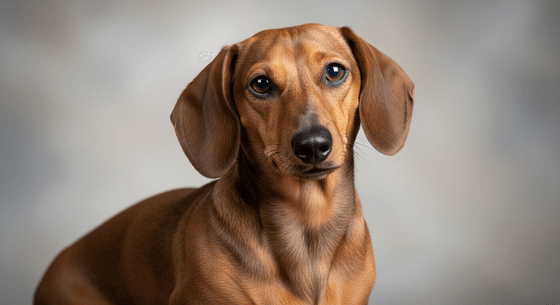
Dachshund
The Dachshund is a small, long-backed, short-legged scent hound bred to hunt and go to ground after badgers and burrowing prey, which makes it intensely nose- and prey-driven, vocal, persistent, and independently minded. Its defining long spine and chondrodystrophic (dwarfed) build make intervertebral disc disease (IVDD/back injury) the breed's number-one safety concern, so back-injury prevention is first-order in everything you do with this dog.
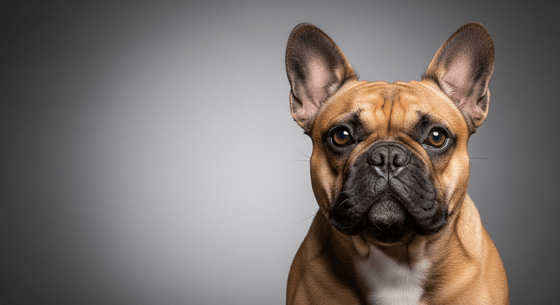
French Bulldog
A humane, positive-reinforcement (LIMA) training curriculum built around a brachycephalic, heat-sensitive companion breed.
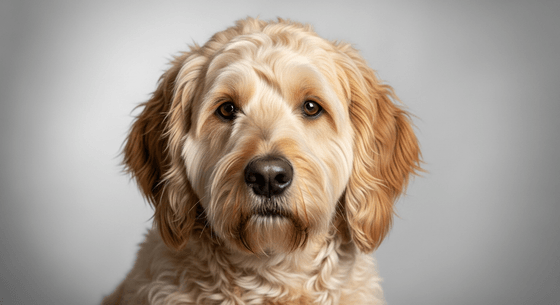
Goldendoodle
A Golden Retriever x Poodle cross: people-oriented, highly trainable, and energetic, with a low-shedding wavy-to-curly coat that demands serious grooming. Not flat-faced, so it lacks the Frenchie's airway limits, but its dense coat, athleticism, and velcro attachment style shape its real-world care and training needs.
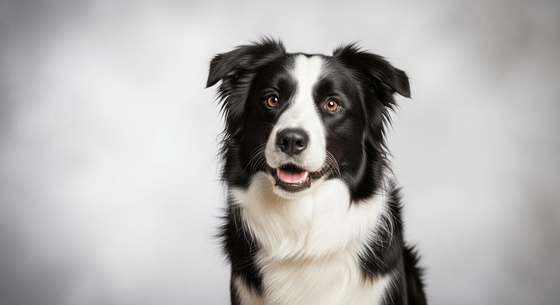
Border Collie
The Border Collie is the world's premier herding breed: a medium-sized, athletic, intensely intelligent working dog with near-limitless work drive and biddability, but a heavy daily requirement for mental work and a sensitivity that makes force-free (LIMA) training not just preferable but essential. Under-stimulated or pressured, this breed channels its motion-chasing brain into anxiety, reactivity, and repetitive/compulsive behaviors, so the whole training program is built around channeling drive, not suppressing it.
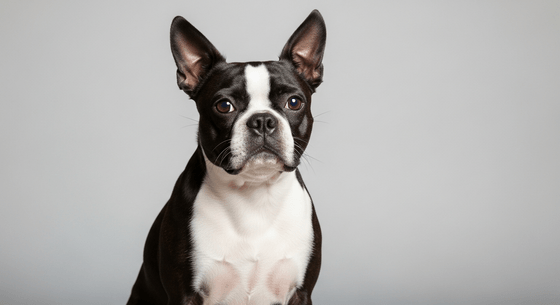
Boston Terrier
The Boston Terrier is a small, brachycephalic companion dog — friendly, sensitive, and notably biddable, with moderate (not high) energy — whose flat face and prominent, shallow-set eyes make heat safety, airway awareness, and eye-injury prevention first-order concerns. Train in short, cool, low-arousal, positive-reinforcement sessions on a Y-front harness (never collar pressure), and treat any sudden behavior change, reluctance, or worsening breathing as a medical rule-out before a training problem.
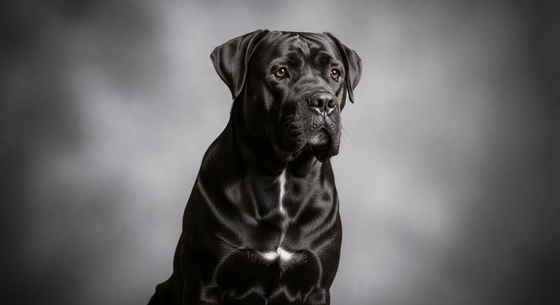
Cane Corso
The Cane Corso is a large, powerful Italian molosser bred as a property and livestock guardian: intelligent and handler-focused, with strong territorial/guarding instincts, a confident-but-discerning temperament, and the size and bite power that make early, generous, reward-based socialization and lifelong management non-negotiable. It is not a flat-faced (brachycephalic) breed, but its large body mass and often-dark short coat still warrant real heat caution, especially in hot climates.
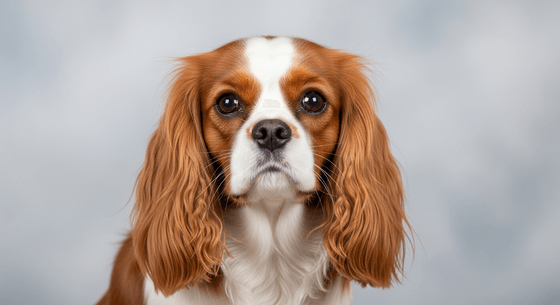
Cavalier King Charles Spaniel
A gentle, soft-natured toy companion bred above all to bond closely with people, which makes the Cavalier exceptionally trainable with positive reinforcement but genuinely prone to separation distress. Two breed-defining health concerns — mitral valve disease (MVD) and syringomyelia (SM) — sit above all training: any new scratching at the neck/air-scratching, yelping, touch-sensitivity, exercise intolerance, fainting, or coughing is a medical-rule-out-first emergency, vet before trainer.
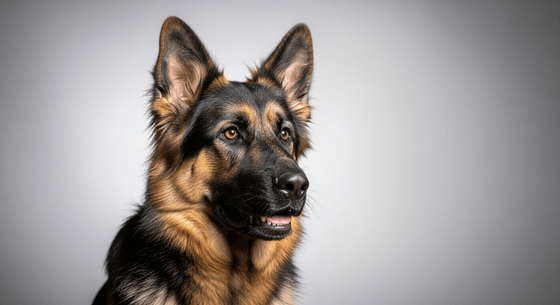
German Shepherd
The German Shepherd is a large, highly intelligent working breed combining intense drive with exceptional biddability, which makes it both a joy to train with reward-based methods and a breed that suffers badly when mistrained with aversives. It needs substantial daily mental and physical work, early and thorough socialization to temper its natural aloofness/wariness, and joint- and spine-conscious management throughout life.
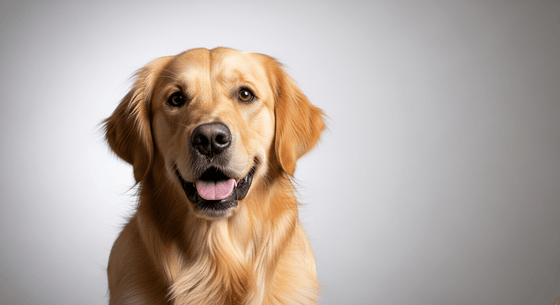
Golden Retriever
The Golden Retriever is a large, biddable, soft-tempered gun-dog bred to retrieve to hand: profoundly people- and food-motivated, easy to train with reward-based methods, but mouthy and high-energy through a long, boisterous adolescence. Health-awareness is central — hip and elbow dysplasia, a notable breed-wide cancer burden, and ear/skin issues mean the medical-rule-out reflex applies before treating any new behavior change as "training."
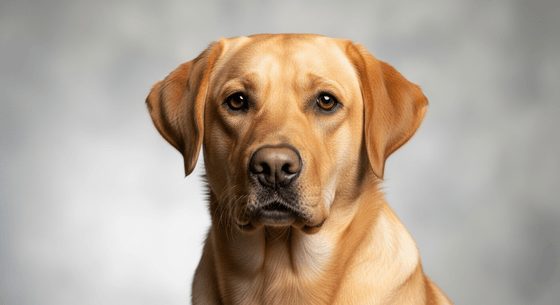
Labrador Retriever
The Labrador Retriever is a large, high-energy, intensely food-motivated gundog whose biddability and soft, retrieving mouth make it a joy to train with positive-reinforcement methods. Channel that drive into structured enrichment and growth-safe exercise, guard hard against obesity, and protect developing hips and elbows from forced high-impact work.
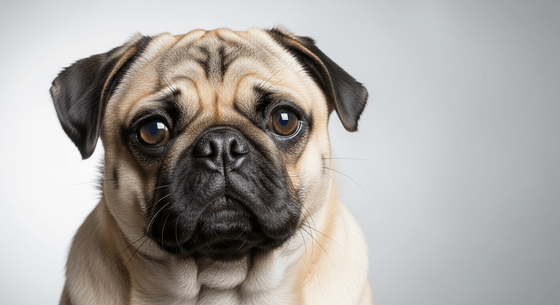
Pug
The Pug is a brachycephalic toy companion bred purely to be a charming, people-focused lapdog — affectionate, comical, sturdy, and deeply attached to its humans. Its flat face and prominent eyes mean heat and airway emergencies are the single biggest safety concern, and its food-driven, sensitive nature makes short, cool, reward-based (LIMA) training the only humane and effective approach.
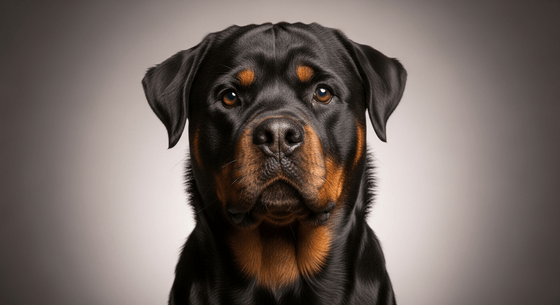
Rottweiler
The Rottweiler is a large, powerful working breed with a confident, guardian nature — early socialization and calm, consistent force-free training bring out its steady, deeply loyal best.
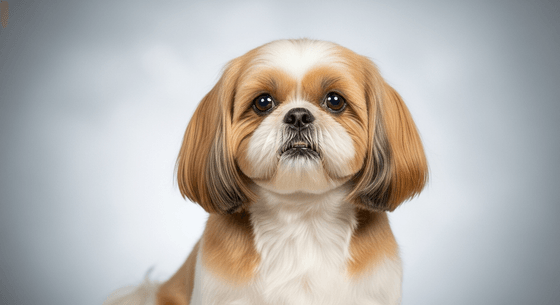
Shih Tzu
The Shih Tzu is a small, affectionate brachycephalic companion breed with a flat face, prominent shallow-socketed eyes, and a long flowing double coat that needs constant grooming. Bred purely for companionship, it is people-oriented and trainable with reward-based methods but carries a mild independent streak, and as a flat-faced dog it shares the airway and heat-safety vulnerabilities that drive this corpus.
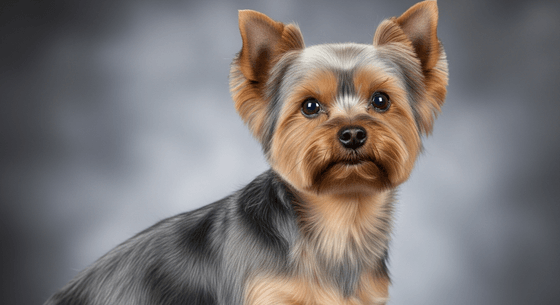
Yorkshire Terrier
The Yorkshire Terrier is a tiny, big-personality toy terrier: bold, tenacious, vocal, and bright, with a flowing single coat that needs near-daily upkeep. Its training plan is shaped less by stamina limits than by physical fragility (jump/fall fracture risk), a collapsing-trachea-prone windpipe that makes a Y-front harness mandatory, and a terrier's quick, alert, alarm-barking brain — all best handled with short, calm, reward-based sessions.
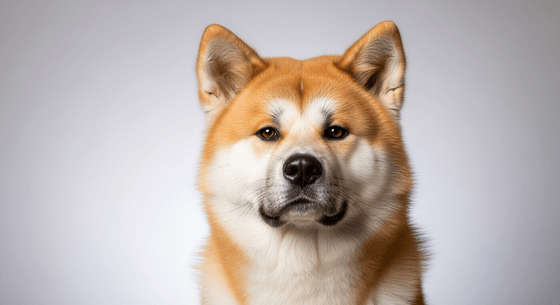
Akita
The Akita is a large, primitive Japanese guardian breed — deeply loyal but aloof and independent, with strong predatory chase drive, notable same-sex/dog-directed aggression tendencies, and a heavy double coat that makes it heat-sensitive despite a normal (non-brachycephalic) airway; the profile prioritizes early neutral socialization, force-free management of guarding/prey drive, and large-breed/deep-chest health vigilance. It inherits the universal LIMA library; the delta below is the ~20% that is genuinely Akita-specific.
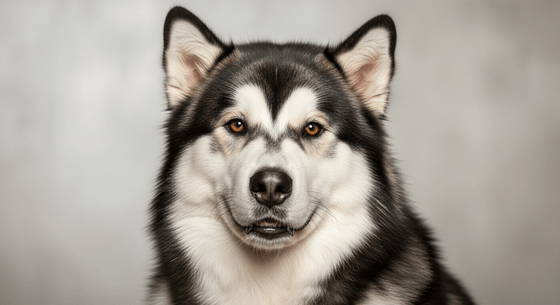
Alaskan Malamute
The Alaskan Malamute is a large, powerful arctic sled breed — its dense double coat, high prey drive, and independent mind call for cool-weather care, generous exercise, and patient, force-free training.
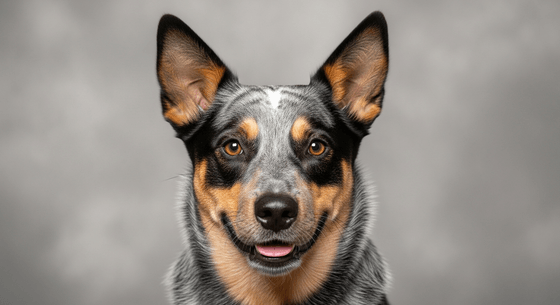
Australian Cattle Dog
The Australian Cattle Dog is a medium, double-coated, bred-to-work heading/heeling dog with very high energy, strong prey drive, a hard-wired heel-nipping habit, wariness of strangers, and high biddability paired with a tenacious independent streak — so its training deltas center on channeling drive into a real "job," force-free redirection of the heeling bite (never punishment), proactive motion/stranger socialization, and breed-specific eye/deafness/joint health plus double-coat heat management in Arizona.
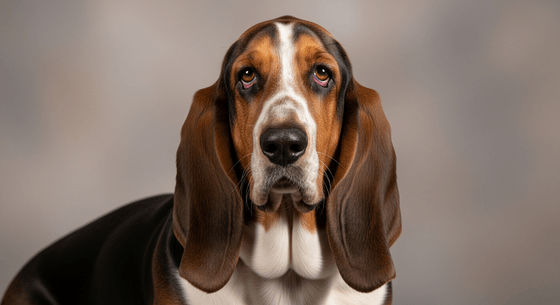
Basset Hound
The Basset Hound is a heavy-boned, extremely long-backed chondrodystrophic scenthound: independent, food-obsessed, and gentle, but built low to the ground with a spine and joints at high IVDD/orthopedic risk and a nose-driven brain that ignores everything on a trail. Its delta from the universal library is almost entirely spine-and-scent: ramp/no-jump spinal protection, aggressive weight control, long-line scent-safe recall, ear/fold/eye husbandry, and managing the booming bay — all force-free.
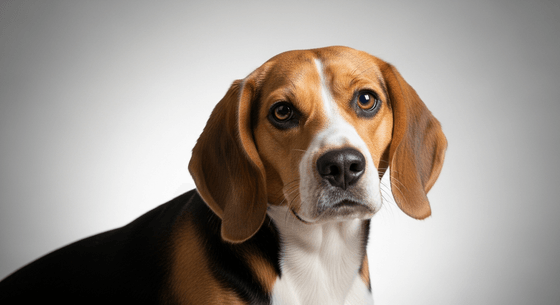
Beagle
The Beagle is a pack-bred scent hound whose nose, prey drive, and escape-artistry are the first-order training challenges — meaning secure containment, long-line management, and heavily proofed recall around scent distraction define the breed-specific work, alongside food-driven weight control and managing the breed-typical bay. Force-free method otherwise matches the universal library; the delta is a small set of scent-drive, containment, vocalization, and Beagle-health modules.
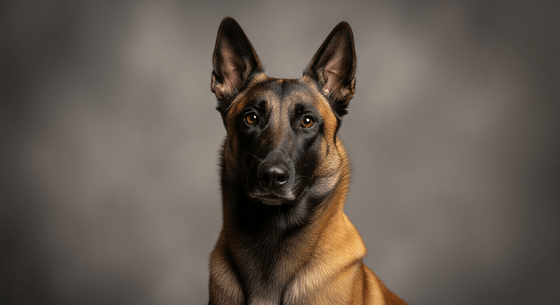
Belgian Malinois
The Belgian Malinois is an intense, high-drive working herder (AKC Herding group; parent club American Belgian Malinois Club) that is extraordinarily biddable and trainable yet self-reinforcing and mouthy ("malligator"), with a genetic need for a real job — under-stimulation, not stubbornness, is its dominant failure mode. Its relentless drive plus a weather-resistant double coat make exertional/heat management, prey-drive containment, and structured force-free outlets the breed-specific deltas layered on top of the universal LIMA library.
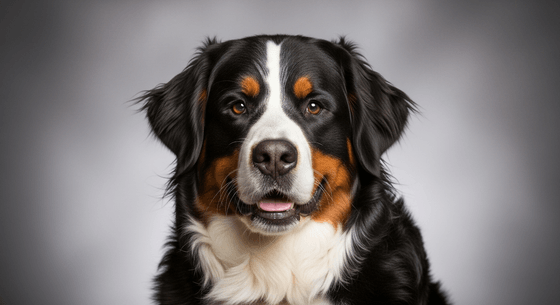
Bernese Mountain Dog
The Bernese Mountain Dog is a giant, deep-chested, gentle Swiss draft/farm breed: biddable and soft-tempered but slow-maturing and heartbreakingly short-lived, whose training must be built around GDV/bloat risk, a heavy heat-trapping double coat (never shave), extended growth-plate/joint protection, and proactive cancer/health-change vigilance. The trait vector attaches large-breed, deep-chested, double-coat, and heat-sensitive safety modules; the delta below covers only the ~20% that differs from the universal LIMA library.
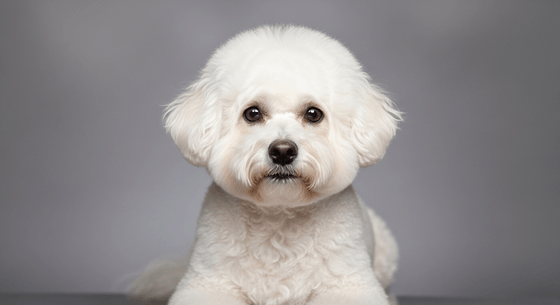
Bichon Frise
The Bichon Frise is a small, cheerful companion lapdog whose defining deltas are a high-maintenance curly non-shedding coat (heavy grooming + cooperative-care conditioning), separation-proneness from its bred-for-companionship history, and small-breed fragility (patellar luxation, safe handling). The universal LIMA method carries the load; the breed-specific ~20% is coat/grooming conditioning, alone-time resilience, and toy-dog handling/health safety.
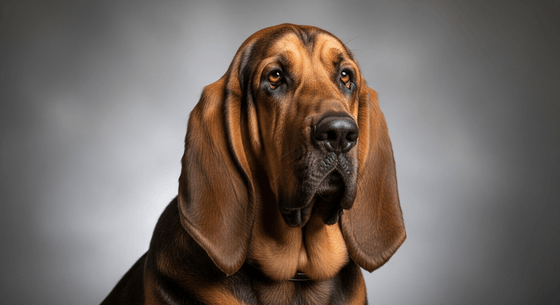
Bloodhound
The Bloodhound is a large, deep-chested, slow-maturing scent hound whose overwhelming nose-driven prey/working drive and independent persistence — not defiance — define its training: manage the environment (long line + secure fencing) as primary safety, give the nose a sanctioned job, and guard against the two morphological hazards this frame carries, GDV/bloat and ear/fold problems. It inherits the universal LIMA library unchanged; the delta below is the breed-specific ~20%.
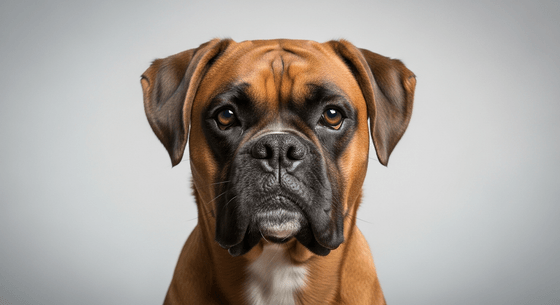
Boxer
The Boxer is a large, deep-chested, exuberant, high-energy working companion whose moderate brachycephaly makes airway and heat management first-order safety concerns — especially in Arizona — while its deep chest (GDV risk), big-dog impulse control, and breed-typical cancer/cardiac profile shape the ~20% of training and husbandry that differs from the universal LIMA library. Content is educational, not veterinary advice, and Boxer-specific medical claims are pitched at AKC-standard / parent-club (American Boxer Club) / OFA-CHIC authority level without fabricated figures.
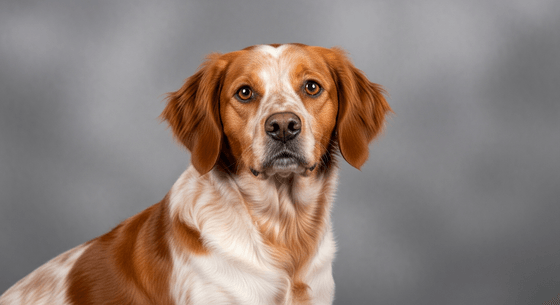
Brittany
The Brittany is a soft-tempered, highly biddable pointing gundog with high energy, strong working and prey drive, and a flat feathered coat — the safety delta is channeling that drive into legal outlets and protecting a sensitive dog from shutdown, plus exertional-heat and field-debris caveats layered on the inherited universal library.
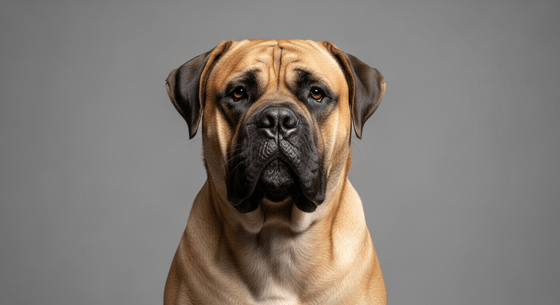
Bullmastiff
The Bullmastiff is a giant, deep-chested, territorial guardian bred to find and physically pin intruders without mauling — so its first-order training constraints are impulse control and reliable responses installed BEFORE the dog reaches 90–130 lb, plus giant-breed GDV/bloat and joint safety and a brachy-leaning airway that makes heat a genuine emergency risk in Arizona. Force-free, low-arousal sessions and early discerning socialization convert an innately wary, independent guardian into a controllable, confident adult without ever punishing the warning behaviors that guarding breeds are wired to show.
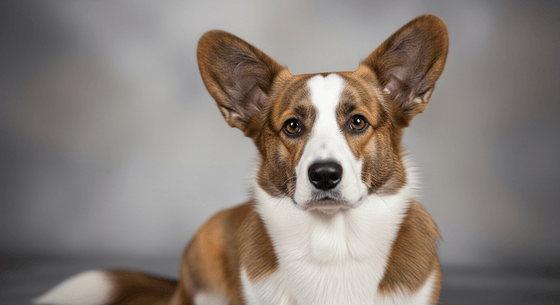
Cardigan Welsh Corgi
The Cardigan Welsh Corgi is a chondrodystrophic (dwarfed), long-backed herding dog: an IVDD-prone spine on short legs paired with genuine working drive, an alert/vocal temperament, and a weather-resistant double coat, so spine-protective handling (ramps, traction, no jumping/stairs, Y-front harness) and constructive outlets for a heeling, motion-sensitive brain are the ~20% that differs from the universal LIMA method. It inherits the shared training library; these deltas gate the long-backed/IVDD safety modules and add herding-specific socialization, troubleshooting, and heat/coat husbandry.
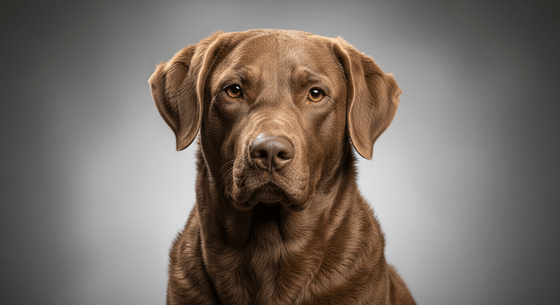
Chesapeake Bay Retriever
The Chesapeake Bay Retriever is a large, deep-chested, dense-double-coated working retriever whose independent, protective temperament and GDV/orthopedic morphology make it a large_breed + deep_chested + working_drive + double-coat profile — so it inherits the universal LIMA library plus the large-breed/deep-chested/working-drive safety modules, needing only a short breed-specific delta for bloat, Arizona heat under a heavy coat, drive-channeling, and early socialization against over-guarding.
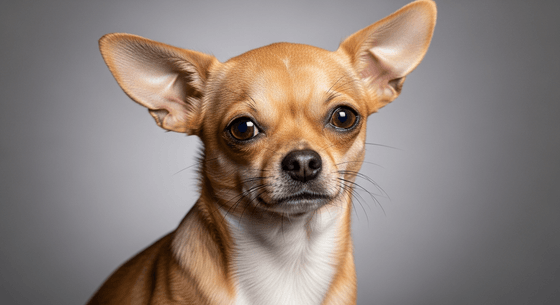
Chihuahua
The Chihuahua is a tiny, smooth-coated, keenly alert and vocal toy companion whose training deltas are dominated by physical fragility and airway sensitivity: harness-only handling to protect a collapse-prone trachea, vigilant supervision around larger dogs and young children, hypoglycemia management in very young/small puppies, and confidence-building that treats the dog as a real dog rather than coddling its fear. Everything else — marker mechanics, luring/shaping, the 3 Ds, recall, leave-it, loose-lead walking, relaxation, body-language basics — is inherited from the universal library and must not be re-authored.
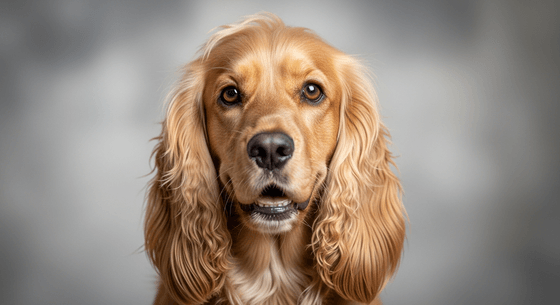
Cocker Spaniel
The Cocker Spaniel is a small-to-medium flushing spaniel with a low-risk training baseline: soft, sensitive, and highly biddable, so the entire LIMA universal library fits cleanly with the gentlest possible handling. Its breed-specific delta is dominated by the profuse long feathered coat (intensive lifelong grooming plus a cooperative-care commitment), the pendulous ears that predispose it to recurrent ear infections, notable eye-health screening, and managing a soft dog prone to submissive/excitement urination, alarm-vocalization, and (rarely, and mostly discussed in solid-colored English Cockers) sudden-onset aggression that must be worked up medically.
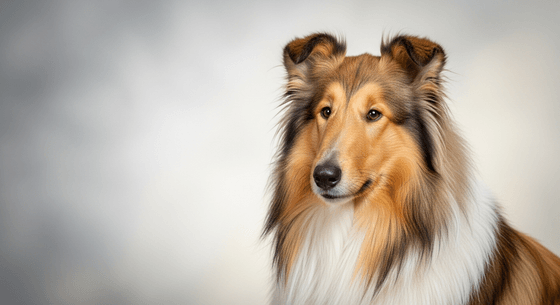
Collie
The Collie (rough) is a sensitive, highly biddable double-coated herding dog with strong working drive and high energy: its gentle-but-soft temperament rewards force-free, low-arousal training, while its breed-specific deltas are motion/chase and heel-nipping (herding origin), alert barking, a dense double coat that must never be shaved (heat load matters even in a non-brachycephalic dog, especially in Arizona), and elevated MDR1 drug-sensitivity frequency that is a vet conversation, not a training issue. Only ~20% differs from the universal LIMA library the breed already inherits.
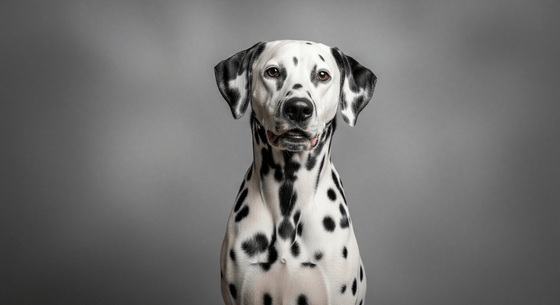
Dalmatian
The Dalmatian is a high-energy coaching breed — plan around a congenital deafness risk (train with visual cues) and a urate-stone tendency (diet and hydration), and meet its real endurance-level exercise needs.
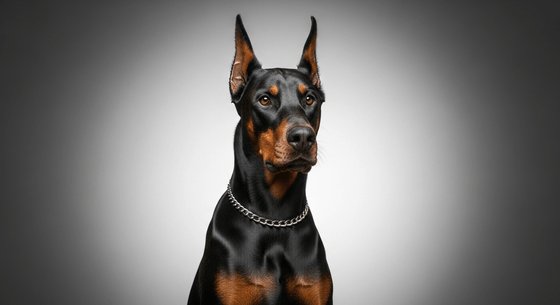
Doberman Pinscher
The Doberman Pinscher is a large, deep-chested working guardian with high biddability and strong working drive, bred for protection and now a devoted companion — its size/chest morphology (GDV risk), guardian wiring (early neutral-stranger socialization), smooth single coat (cold sensitivity), and notable breed-wide DCM cardiac predisposition define the ~20% that differs from the universal force-free curriculum. Health and temperament claims are framed educationally (not veterinary advice) and grounded in breed-authority sources (AKC standard, Doberman Pinscher Club of America / parent club, OFA-CHIC, RVC VetCompass) for expert review.
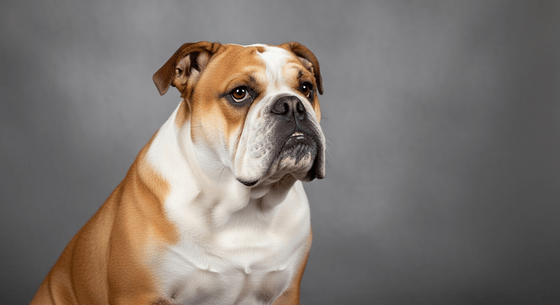
English Bulldog
The English Bulldog is a severely brachycephalic, heat-intolerant, heavy-bodied companion whose airway and heat safety are first-order training constraints; its low-energy, food-motivated, people-oriented but deliberate ("stubborn") temperament rewards very short, cool, positive sessions, and its skin folds, screw tail, and joint/spine fragility demand breed-specific husbandry-handling and impact management woven into every protocol.
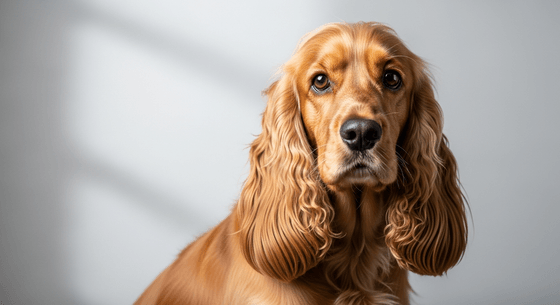
English Cocker Spaniel
The English Cocker Spaniel is a merry, medium flushing spaniel — biddable and people-oriented, it thrives on positive, reward-based training, daily exercise, and regular coat care.
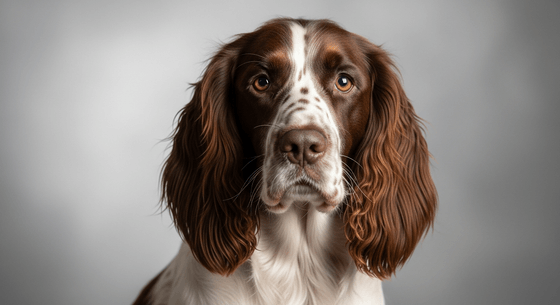
English Springer Spaniel
The English Springer Spaniel is a high-energy, highly biddable flushing gundog whose scent/flush drive and stamina demand a real job (scentwork, structured retrieves, cooperative-care grooming) far more than distance walking; its distinctive deltas are the feathered long coat with pendulous ears (high otitis-externa risk) and a soft, people-focused temperament that thrives on force-free work and shuts down under harshness. It is mesocephalic (normal muzzle) and not brachycephalic, IVDD-prone, or heat-limited at a brachycephalic level, so it inherits the universal method plus prey-drive, working-drive, high-energy, and long-coat/grooming safety modules rather than airway/spine ones.
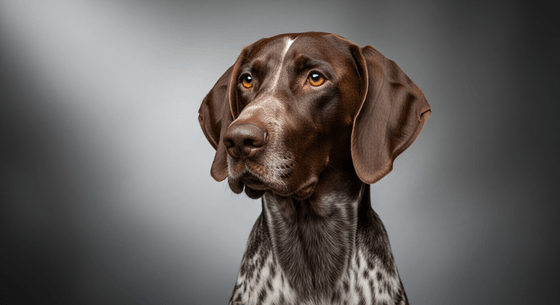
German Shorthaired Pointer
The German Shorthaired Pointer is an athletic, biddable versatile gundog with very high energy, strong hunt/point/retrieve working drive, and pronounced prey drive, whose deep chest carries meaningful GDV/bloat risk and whose smooth coat offers little sun/thermal buffer; it needs large daily physical AND scent-work outlets or it becomes destructively frustrated. The trait vector attaches the deep-chested (GDV), high-energy, working-drive, and high-prey-drive safety modules on top of the universal LIMA library.
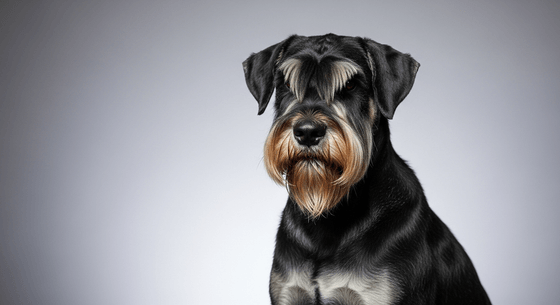
Giant Schnauzer
The Giant Schnauzer is a large, deep-chested Bavarian working dog with intense guarding instincts, high working drive, high energy, and a harsh wire coat — a highly trainable but willful guardian that needs a real job, wide early socialization, and a certified force-free (LIMA) professional to thrive. The trait vector below attaches large-breed, guarding, working-drive, high-energy, deep-chested (GDV), and wire-coat/grooming safety modules; the delta modules cover only the ~20% that is genuinely breed-specific.
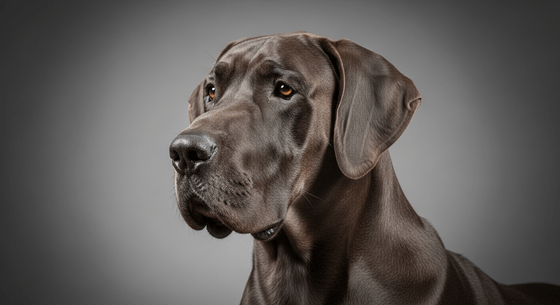
Great Dane
The Great Dane is a giant, deep-chested, smooth-coated companion whose force-free training is dominated by two first-order physical realities — life-threatening GDV/bloat risk and the long, slow protection of immature joints and growth plates — paired with a gentle, sensitive, biddable temperament that responds best to calm, low-pressure handling and shuts down hard under any harshness. It inherits the universal LIMA method wholesale; this profile supplies only the trait vector and the ~20% giant-breed delta.
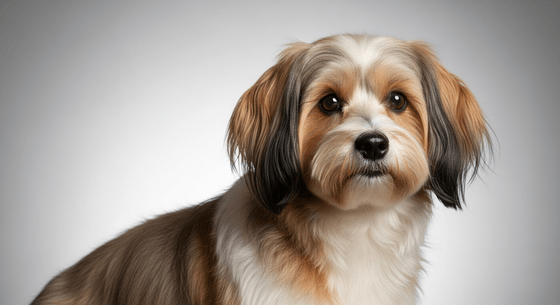
Havanese
The Havanese is a small toy companion with a low-risk training baseline: people-oriented, soft, and highly biddable, so the entire LIMA universal method fits cleanly with the gentlest possible handling. Its breed-specific delta is dominated by its profuse long silky double coat (intensive grooming and a years-long cooperative-care commitment), small-dog fragility/patellar-luxation caution, and managing a sensitive, attention-seeking companion that is prone to over-attachment and demand-vocalization.
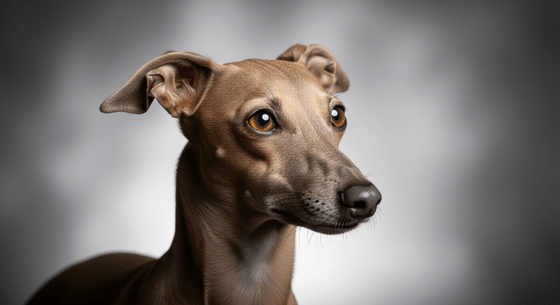
Italian Greyhound
The Italian Greyhound is an ancient, affectionate toy sighthound whose fine-boned, thin-coated build and sight-triggered chase drive make it inherit the universal LIMA library plus the small-breed, high-prey-drive, and smooth-coat safety tracks. Its genuinely breed-specific deltas are dominated by extreme leg-fracture fragility, cold-intolerance, toy-breed dental/anesthesia care, and managing a sighthound's selective recall force-free.
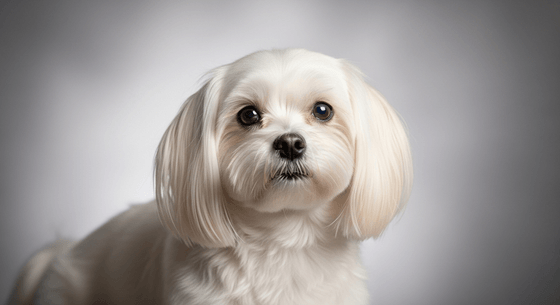
Maltese
The Maltese is a ~4–7 lb toy companion with a long, single (undercoat-free) white coat and the classic toy-breed fragility profile: it inherits the site's universal LIMA training method wholesale, so this profile only sets the trait vector (small_breed / long coat / high grooming / vocal) that attaches the toy-safety modules and adds the ~20% breed delta — physical fragility, tracheal sensitivity (harness only), puppy hypoglycemia, and a heavy daily grooming/dental burden. All method (marker, luring/shaping, 3 Ds, recall, LLW, relaxation, crate/house-training, body-language basics, medical-rule-out) comes from the universal library and is not re-authored here.
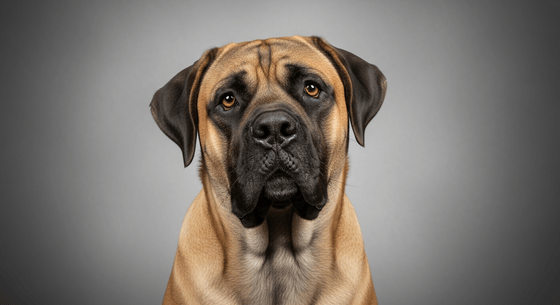
Mastiff
The Mastiff is a giant molosser guardian — deep-chested and GDV-prone, slow-growing with fragile growth plates, smooth-coated, drooly, and heat-sensitive from sheer mass — whose defining training imperative is that he must be reliably controllable on a Y-front harness and calm around strangers BEFORE he outweighs you. This profile sets the trait vector so the large-breed joint, bloat/deep-chest, heat, and guardian-socialization safety modules attach, plus a short list of Mastiff-specific deltas over the inherited universal LIMA library.
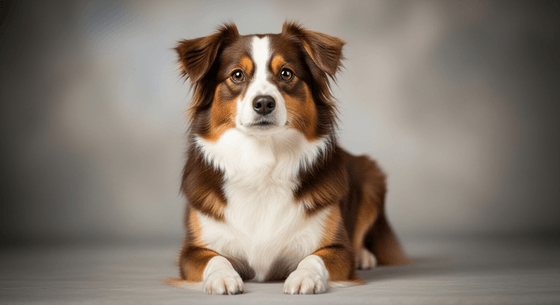
Miniature American Shepherd
The Miniature American Shepherd is a compact, high-drive herding dog: intensely biddable and quick to learn, but a genuine working brain that will self-employ (herding household members, chasing motion, patrolling) if its need for physical exertion and daily mental work goes unmet. Its 20% delta is drive-channeling and impulse control, double-coat/heat management, herding-specific socialization, and MDR1 drug-sensitivity awareness (vet-directed) — layered on top of the universal LIMA method every breed inherits.
Miniature Schnauzer
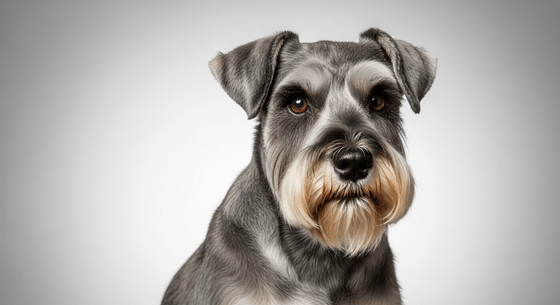
The Miniature Schnauzer is a small, intensely alert, vocal terrier-type companion with a harsh wire coat (traditionally hand-stripped) and strong prey drive, historically bred as a farm ratter (AKC breed standard; American Miniature Schnauzer Club). Force-free training leverages its high biddability and food motivation while proactively managing arousal-driven barking, small-animal chase, and pancreatitis-aware (low-fat) treat selection.
Newfoundland
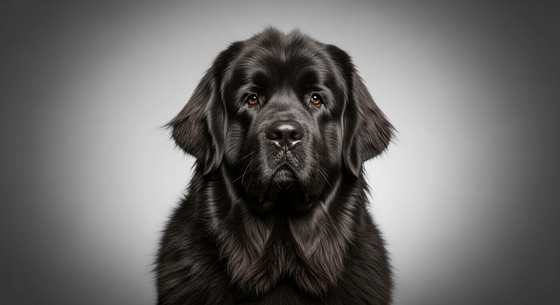
The Newfoundland is a gentle, biddable giant bred for water rescue and draft work whose training deltas are driven by body type, not method: giant deep-chested frame (GDV and slow-closing growth plates), a heavy heat-trapping double coat that must never be shaved, prodigious drool/grooming load, and enormous size/strength that make force-free impulse control and loose-lead urgent before the dog outweighs its handler. It inherits the site's universal LIMA library wholesale; only the ~20% breed-specific safety and husbandry layer is authored here.
Papillon
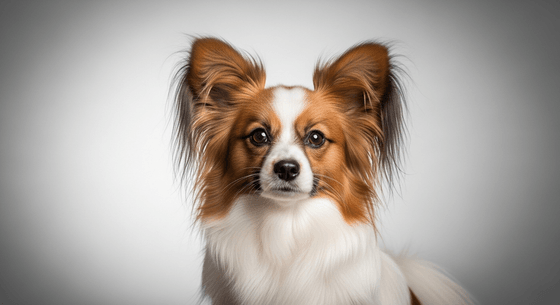
The Papillon is a tiny (~5-10 lb) toy spaniel with a long, silky single coat and a famously bright, biddable, high-energy brain — one of the most trainable toys — so its training constraints are body fragility and impulse/height management, not airway or heat like a brachycephalic. The trait vector attaches small-breed fragility, long-coat grooming, high-energy enrichment, and alert-barking safety modules while the universal LIMA method (marker mechanics, luring/shaping, the 3 Ds, recall, LLW, relaxation) carries the bulk of the curriculum unchanged.
Pembroke Welsh Corgi
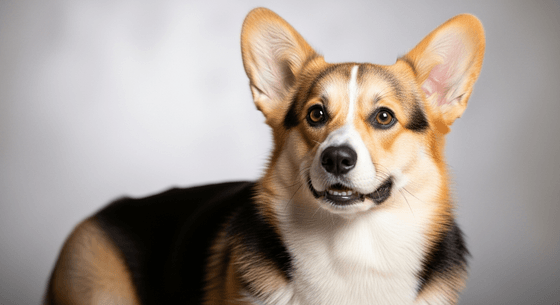
The Pembroke Welsh Corgi is a long-backed, chondrodystrophic herding dog whose first-order needs are spine/IVDD protection (ramps, no jumping or stairs, careful two-hand lifting, non-slip footing, lean weight) and force-free channeling of a vocal, biddable working drive that defaults to alert-barking and heel-nipping. It inherits the universal LIMA library; the delta below is the breed-specific ~20% plus the trait vector that attaches the spine and double-coat safety modules.
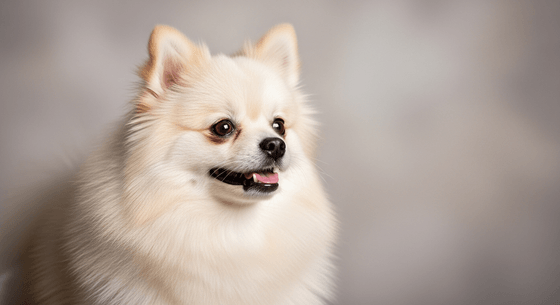
Pomeranian
The Pomeranian is a tiny, alert, vocal Spitz with a profuse double coat whose two first-order safety facts are physical fragility (must be protected from larger dogs and rough handling) and toy-breed tracheal sensitivity (HARNESS ONLY, never neck pressure); it inherits the universal LIMA library and attaches small_breed, double-coat, vocal, and heat-sensitivity safety modules, with breed-specific deltas focused on never-shave coat care, gentle alert/quiet training, and dental/luxating-patella husbandry.
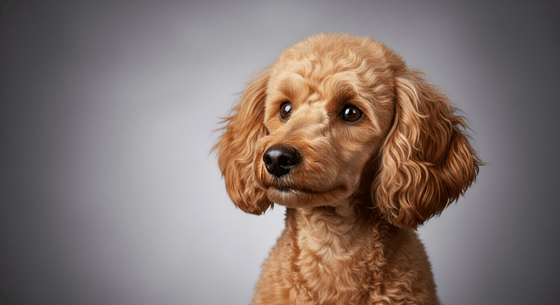
Poodle (Standard)
The Standard Poodle is a large, deep-chested, exceptionally biddable retrieving-water dog with a curly single coat: training delta is mental-work load and rapid skill acquisition (it learns whatever you reinforce, including mistakes), while the health delta is GDV/bloat awareness for the deep chest plus relentless coat-matting management. Trait vector attaches the deep-chested/bloat, large-breed, high-grooming, and working-drive safety modules on top of the universal LIMA library.
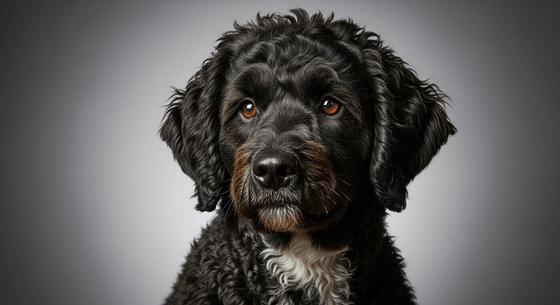
Portuguese Water Dog
The Portuguese Water Dog is a medium, high-energy, highly biddable working water-retriever with a dense curly single coat: not brachycephalic, but its coat heat-load, relentless working drive, and demanding grooming/health profile are the breed-specific deltas layered over the universal force-free library. Every module is LIMA and educational, not veterinary advice.
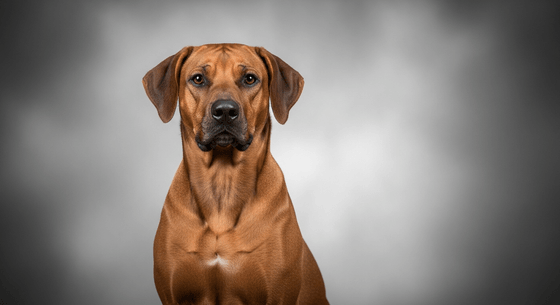
Rhodesian Ridgeback
The Rhodesian Ridgeback is a large, powerful, deep-chested sighthound-guardian bred to trail and bay big game and guard the homestead, so its training deltas center on GDV/bloat husbandry, high prey-drive recall and impulse control, early force-free handling before the dog is strong, and channeling an independent, aloof-with-strangers temperament through relationship-based reward training. It inherits the universal LIMA library; the modules below are the breed-specific ~20% and should be flagged for veterinary/behavior expert review before publishing.
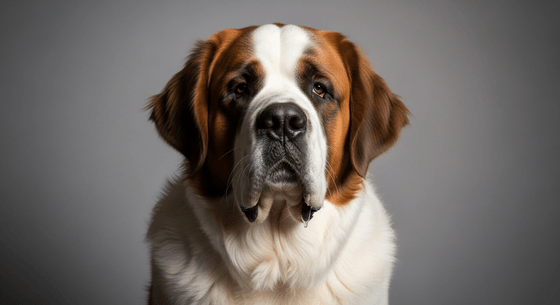
Saint Bernard
The Saint Bernard is a giant, deep-chested, heavy double-coated working breed bred as a gentle mountain rescue/draft dog — profoundly people-oriented but so large that early impulse control and calm-on-lead handling are safety-critical, while GDV/bloat, growth-plate/joint immaturity, and heat intolerance are its first-order health caveats. Because every physical trait axis it triggers (large_breed, deep_chested, double coat, heat_sensitive) is genuine, the right trait-gated safety modules attach; the deltas below are the ~20% that differs from the universal LIMA library.
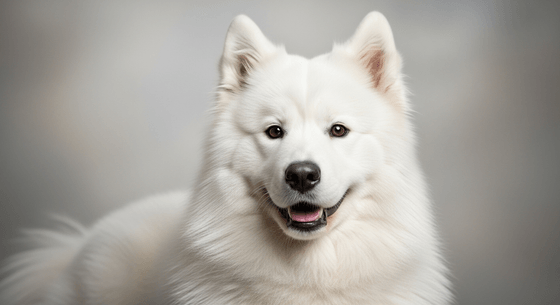
Samoyed
The Samoyed is a friendly, high-energy Siberian working spitz whose defining care facts are a heavy weather-proof double coat that must NEVER be shaved and real heat sensitivity despite its Nordic origin, paired with a vocal, prey-driven, somewhat independent temperament that shapes recall, containment, and enrichment needs. Its trait vector attaches the double-coat/heat-safety, high-energy, prey-drive, and vocal-management modules; the delta below covers only the ~20% that is Samoyed-specific.
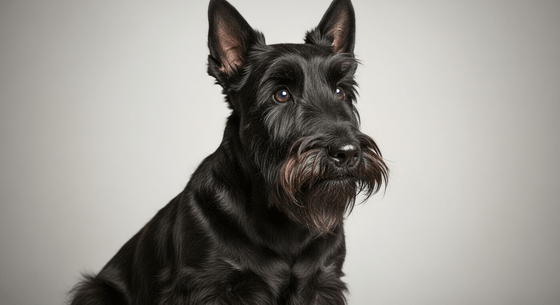
Scottish Terrier
The Scottish Terrier is a small, sturdy, wire-coated earthdog bred to hunt vermin to ground in the Scottish Highlands, producing a bold, independent, vocal, and somewhat aloof/guardy temperament that responds to reinforcement-based buy-in rather than repetition or pressure. Its ~20% breed delta is high-prey-drive management, wire-coat hand-stripping grooming, breed-specific health screening (bladder cancer, von Willebrand disease, CMO, Scottie cramp), and socialization that softens natural aloofness.
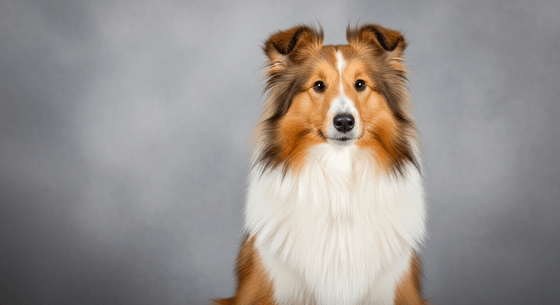
Shetland Sheepdog
The Shetland Sheepdog is a small, intensely biddable Scottish croft-herding breed: handler-focused and highly trainable, but genuinely vocal (alert-barking), motion-reactive (herding chase / heel-nipping), sound-sensitive, and carrying a dense double coat plus herding-breed MDR1 (ABCB1) drug-sensitivity risk. The universal LIMA library covers the method; the deltas below gate double-coat heat management, motion-chase and barking troubleshooting, sound/motion desensitization, and the MDR1 vet caveat.
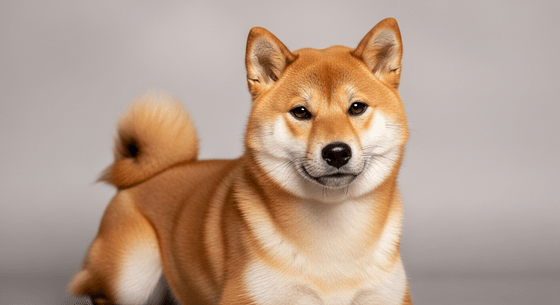
Shiba Inu
The Shiba Inu is an ancient, independent-minded Japanese hunting spitz with very high prey drive and escape-artist tendencies (a secure-containment / long-line breed, never reliably off-leash), a heavy seasonal-shedding double coat, and a resource-guarding predisposition best met with trade-up, force-free management. This profile sets the trait vector so prey-drive, double-coat, and independence safety modules attach, then adds the ~20% of Shiba-specific delta content on top of the universal LIMA library.
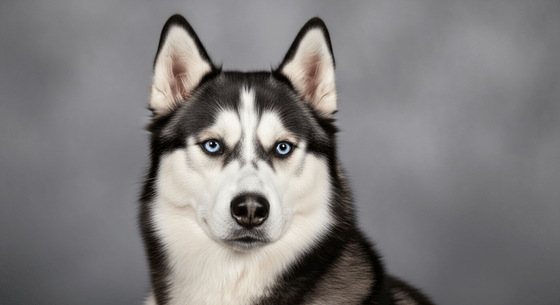
Siberian Husky
The Siberian Husky is a high-energy Arctic working sled dog with an exceptionally strong, hardwired prey-and-run drive that makes it a notorious escape artist and never reliably off-leash; secure containment plus long-line recall management are first-order safety concerns, alongside protecting its heat-vulnerable double coat (never shave). It inherits the site's universal LIMA training library and trait-gated heat/escape/working-drive safety modules; this profile supplies only the breed-specific deltas.
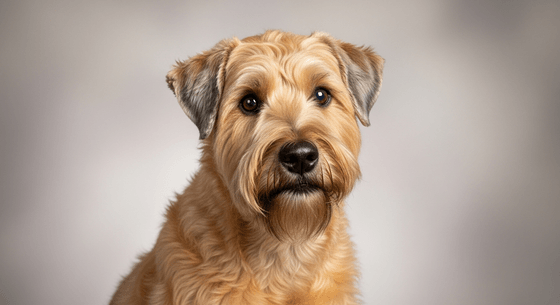
Soft Coated Wheaten Terrier
The Soft Coated Wheaten Terrier is a medium, athletic, single-coated farm terrier whose defining training-and-husbandry deltas are heavy daily coat care with cooperative-care desensitization, a high-energy terrier prey/chase drive that shapes recall and management, exuberant "Wheaten greetin'" jumping, and a breed-signature diet-aware vigilance for protein-losing conditions (PLN/PLE) that makes appetite/weight changes a medical-rule-out reflex. It inherits the universal LIMA library wholesale; only the ~20% below is breed-specific.
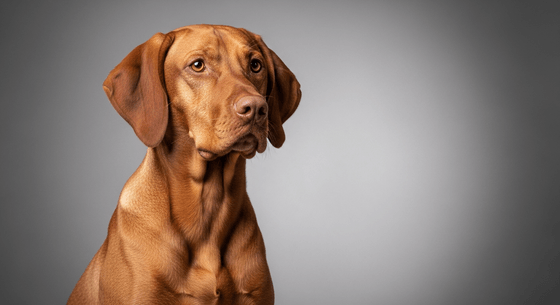
Vizsla
The Vizsla is a high-energy Hungarian pointer-retriever (HPR) with intense prey and working drive, deep affiliative "velcro" attachment, a deep chest that gates GDV/bloat safety modules, and a thin smooth single coat that gates cold-weather caveats — so its delta is built around channeling drive, preventing separation distress, and managing thermoregulation at both ends, all within the inherited universal LIMA method.
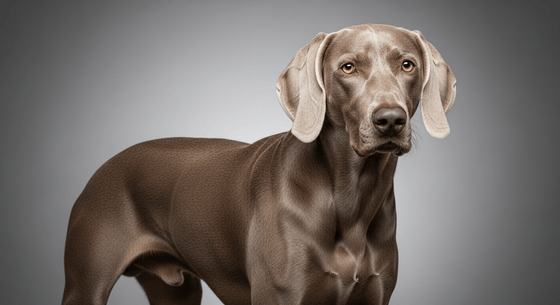
Weimaraner
The Weimaraner is a large, deep-chested, smooth-coated versatile hunt-point-retrieve gundog with relentless energy, strong prey drive, high biddability, and a notoriously velcro temperament that predisposes it to separation-related distress. This profile sets the trait vector so large-breed, deep-chest/GDV, high-drive, and prey-drive safety modules attach, then adds only the ~20% of content that genuinely differs from the universal LIMA library.
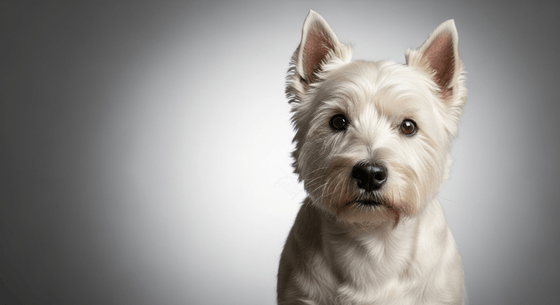
West Highland White Terrier
The West Highland White Terrier is a small, feisty, independent earth-working terrier with a harsh wire double coat, strong prey drive, and a high alert-barking baseline; its breed-specific deltas center on channeling terrier drive force-free, hand-strip coat/cooperative-grooming care, and a well-documented skin (atopic dermatitis) and small-breed orthopedic health profile. It inherits the universal LIMA training library and small-breed/coat safety modules automatically; this profile supplies only the trait vector and the ~20% that is genuinely Westie-specific.
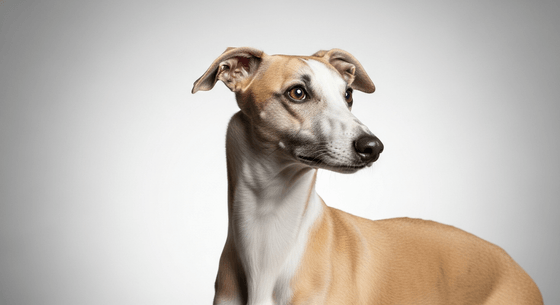
Whippet
The Whippet is a lean, thin-skinned sighthound with a 35-mph chase brain: a soft, affectionate "velcro" companion indoors whose very high prey drive and escape ability make sighthound-grade containment and a never-off-leash-near-roads rule first-order safety constraints, while its low body fat and single smooth coat drive real cold-intolerance, anesthesia-sensitivity, and skin-fragility caveats. Its explicit safety vector is high_prey_drive=yes and coat=smooth (plus a deep sighthound chest), so the shared prey-drive containment/chase-outlet modules attach automatically and only a thin layer of breed-specific delta is authored here.
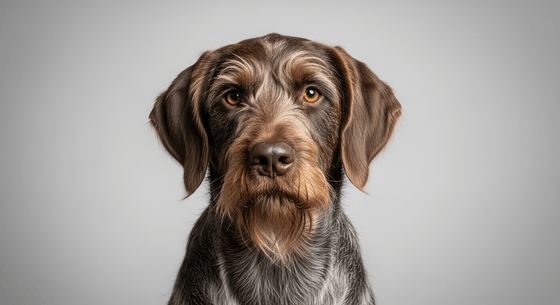
Wirehaired Pointing Griffon
The Wirehaired Pointing Griffon is a versatile, medium gundog with a harsh wire coat — affectionate and eager to please, it needs plenty of exercise, mental engagement, and reward-based training.